CLOISONNÉ
Athens Design Forum presents Cloisonné, a photographic series by Spanish photographer Adrià Cañameras in Beijing, China.
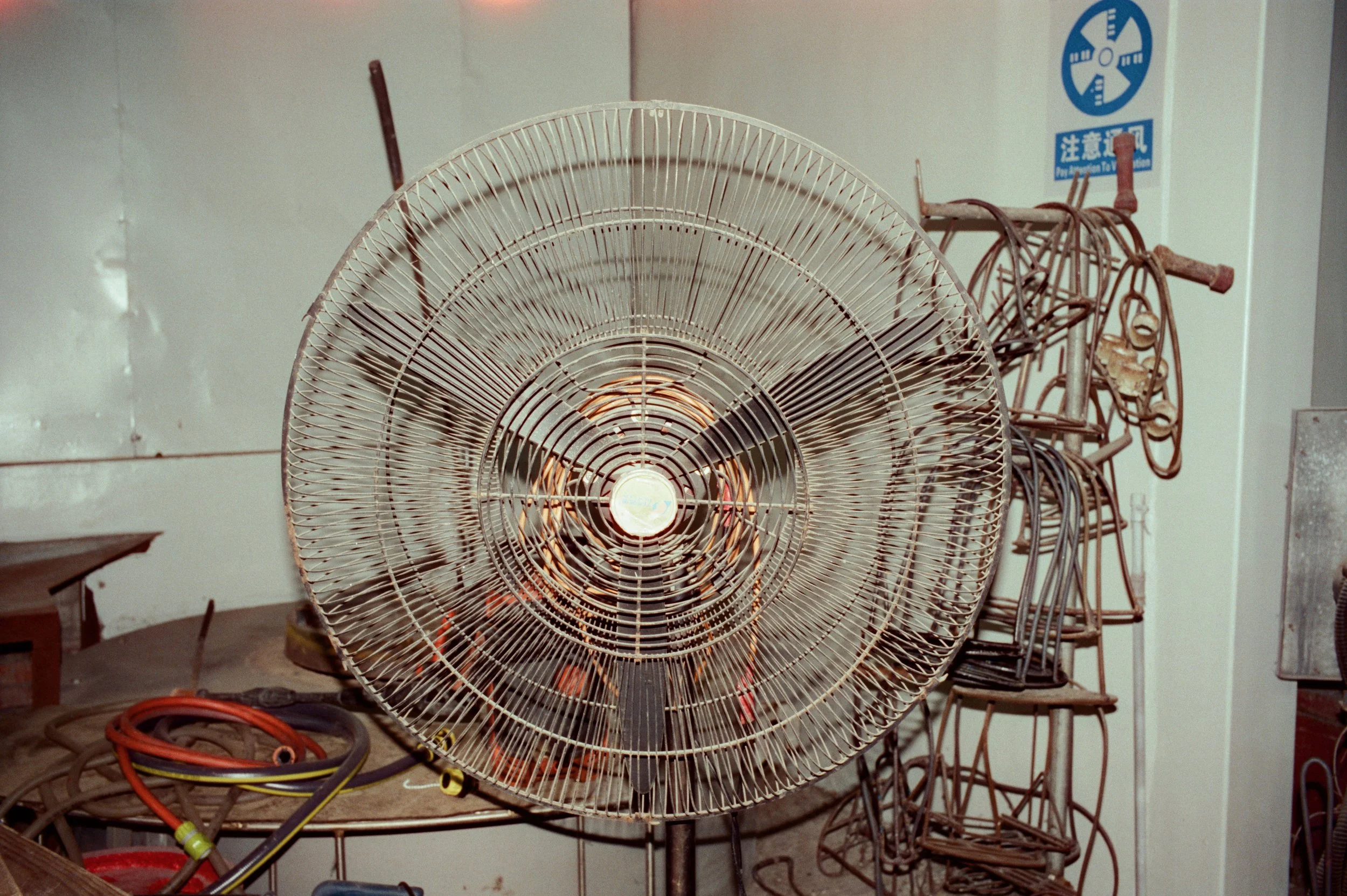
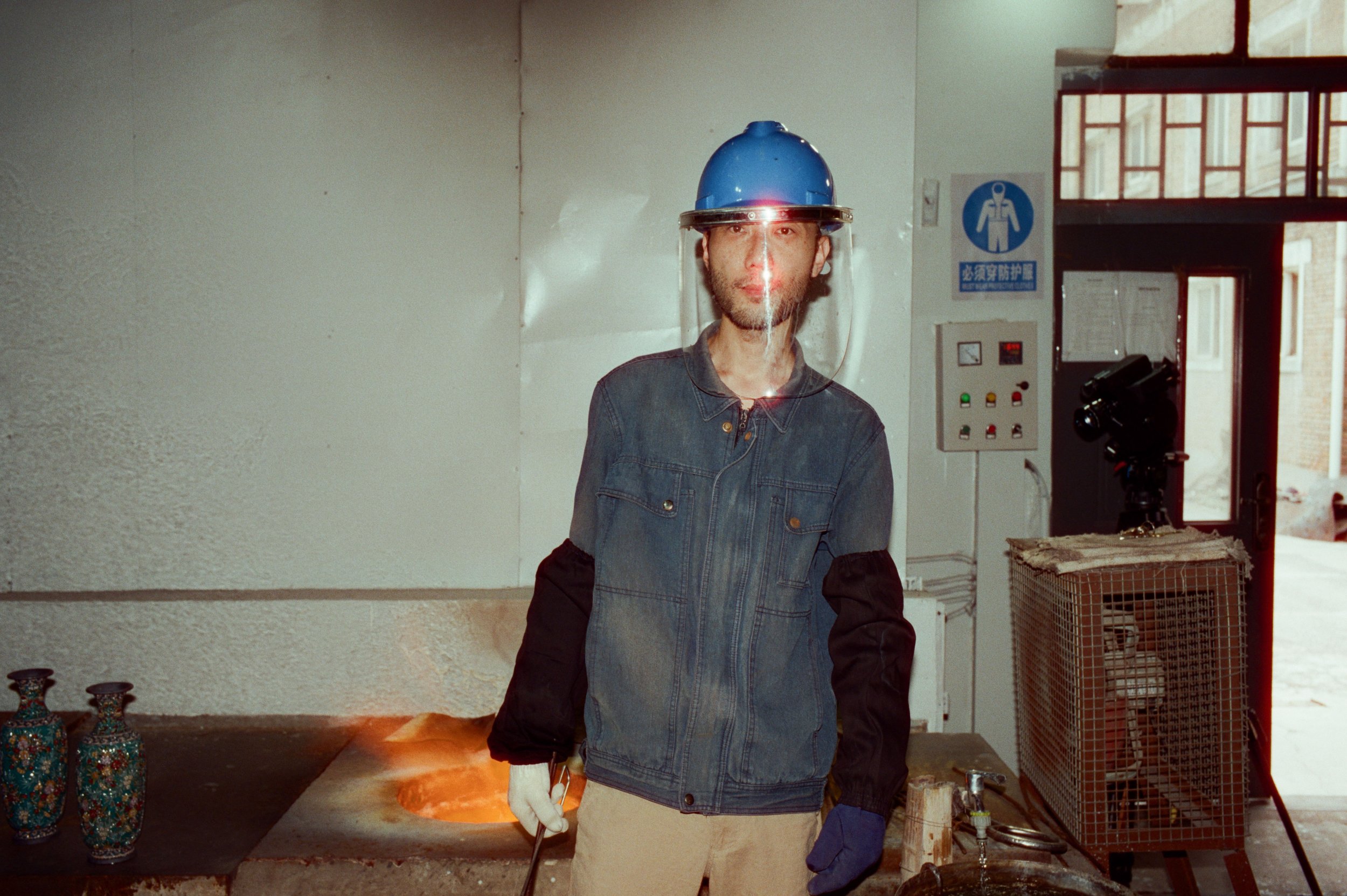
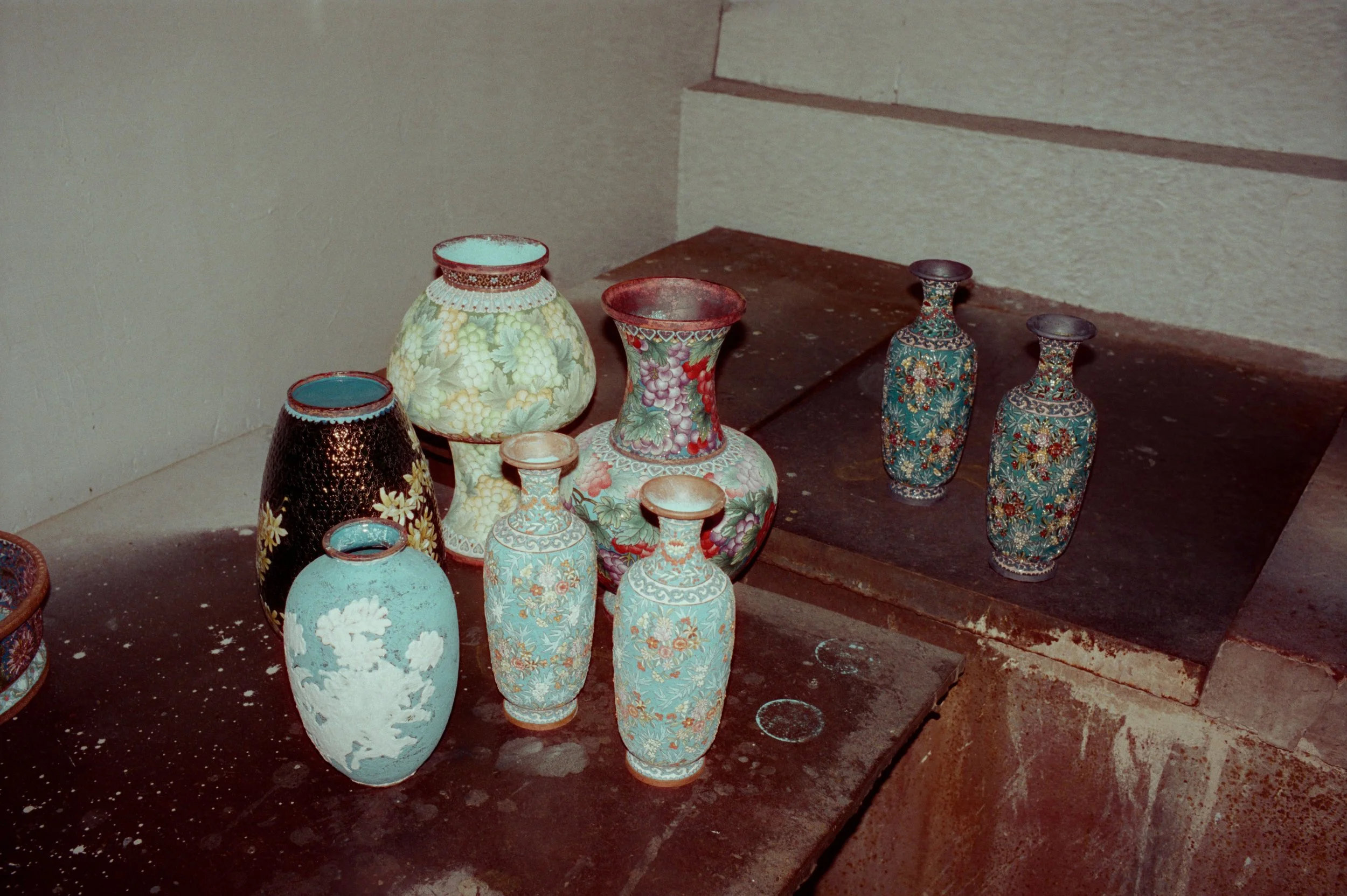
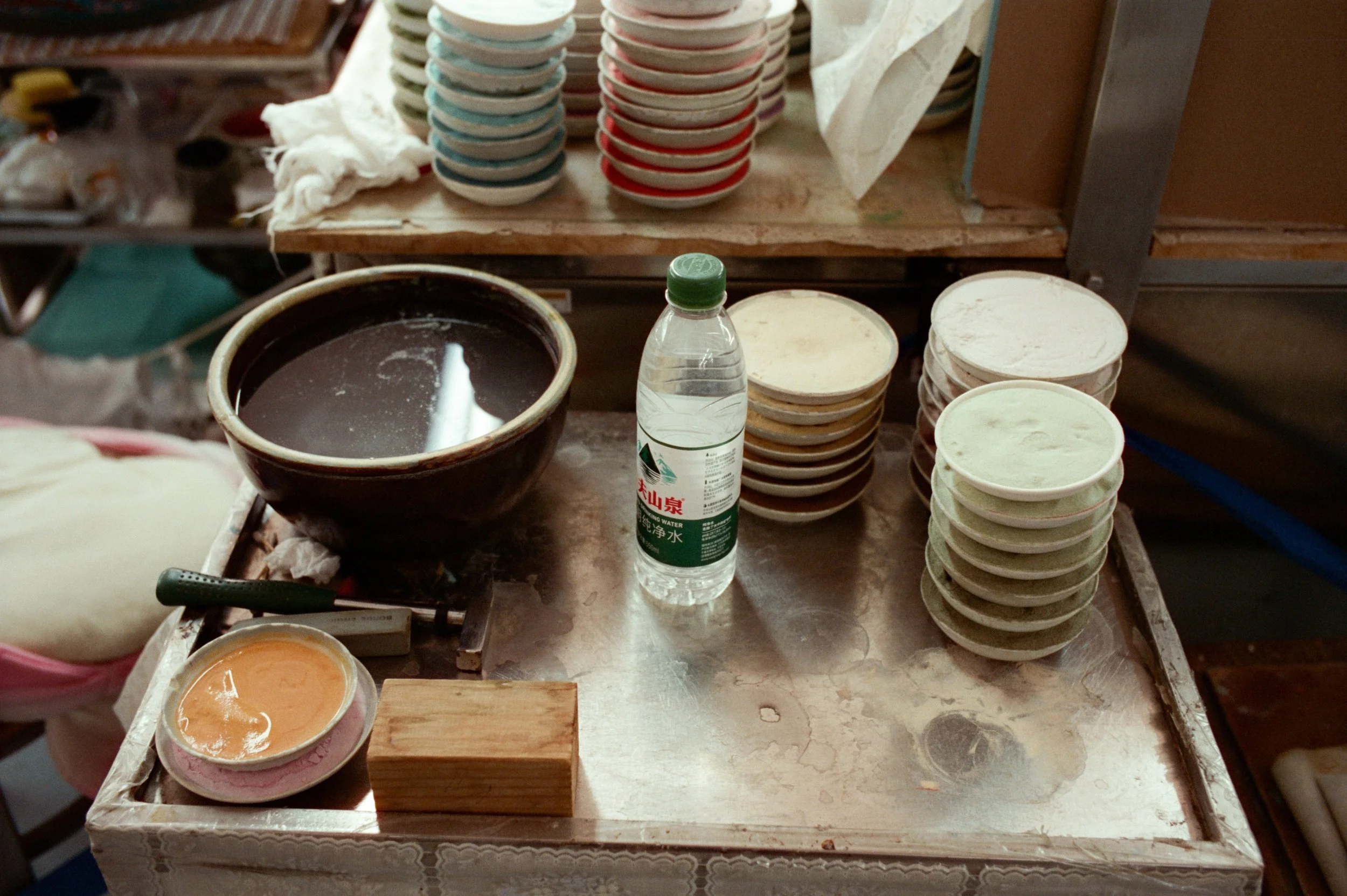
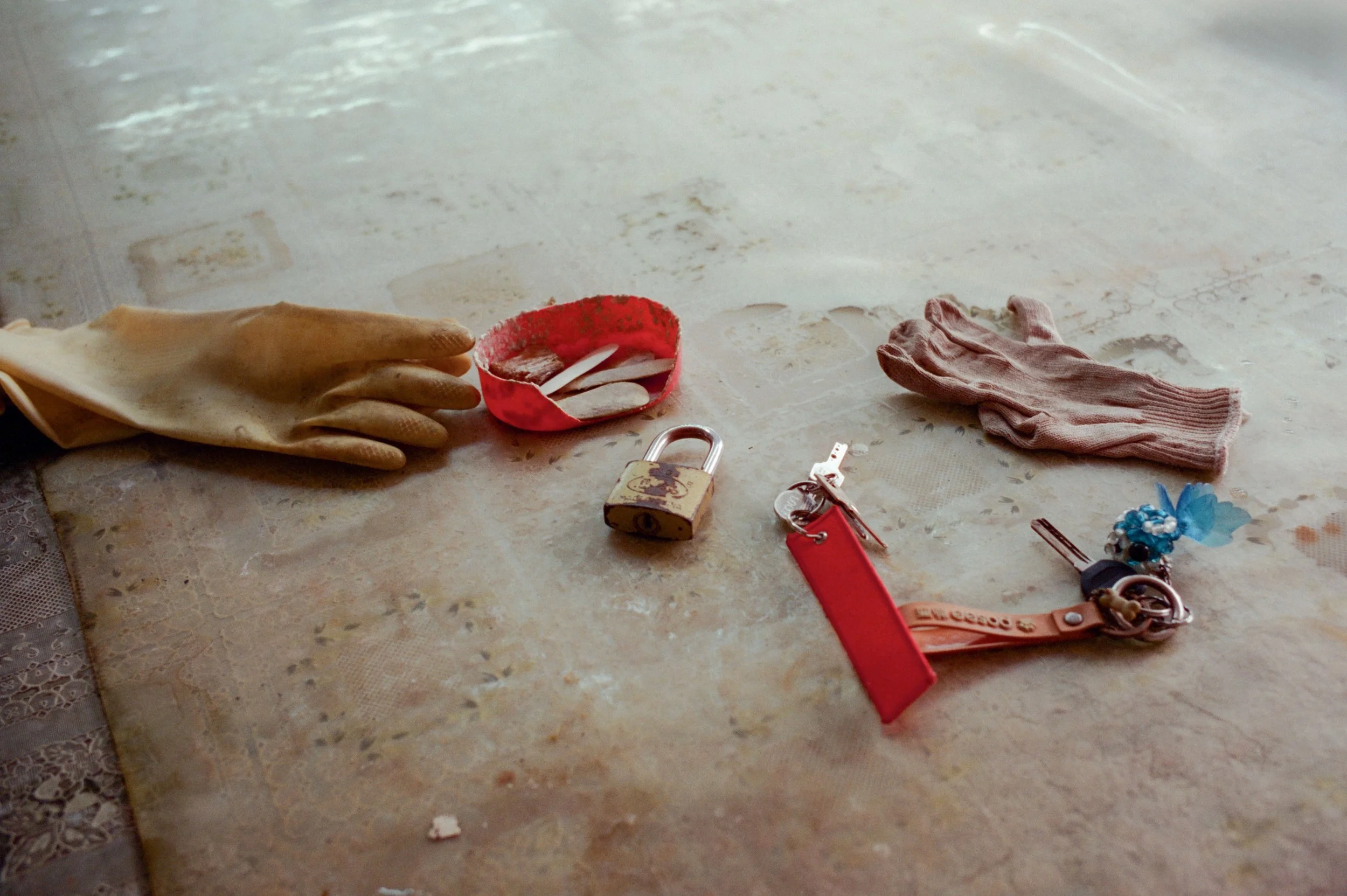
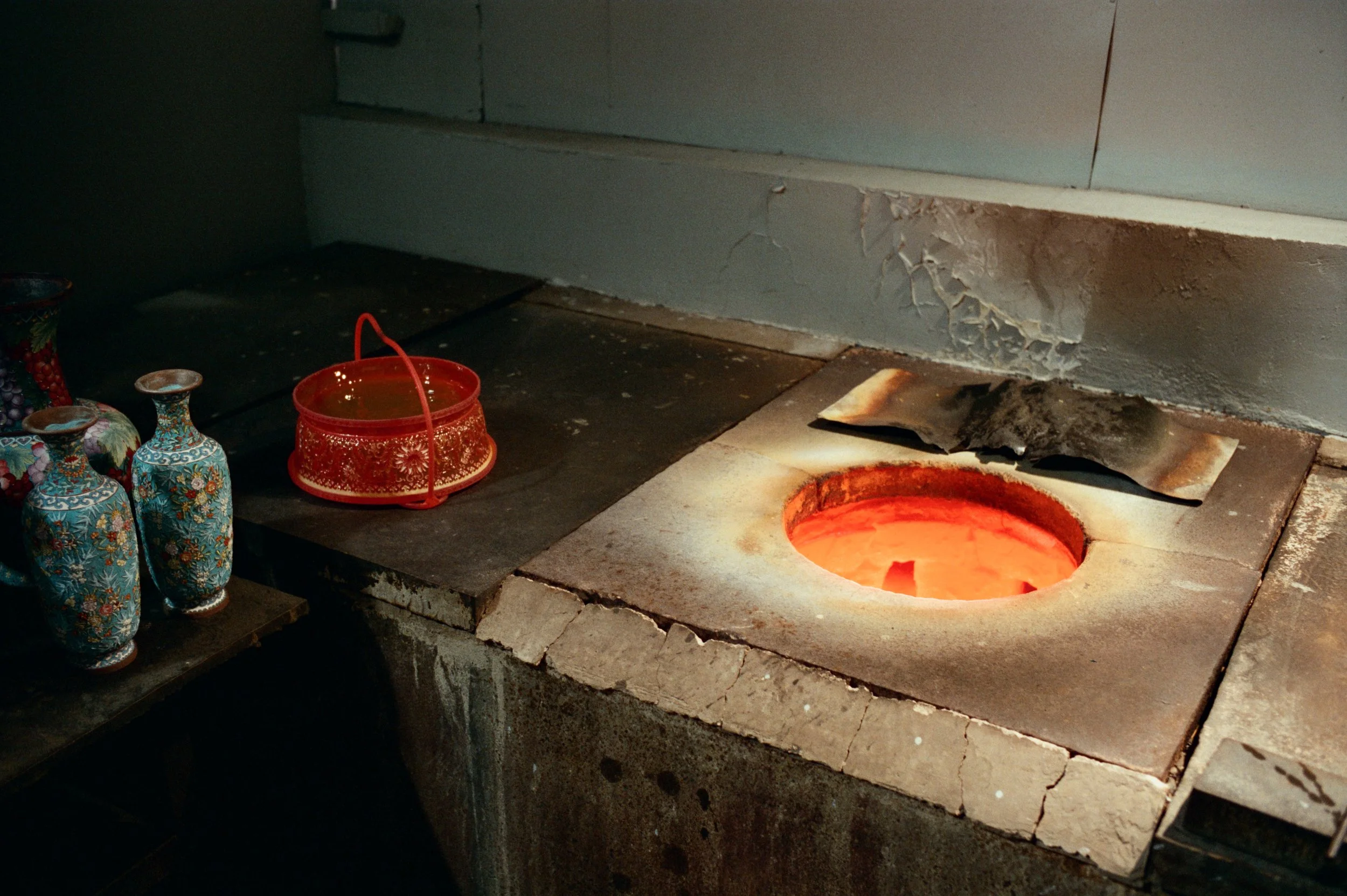
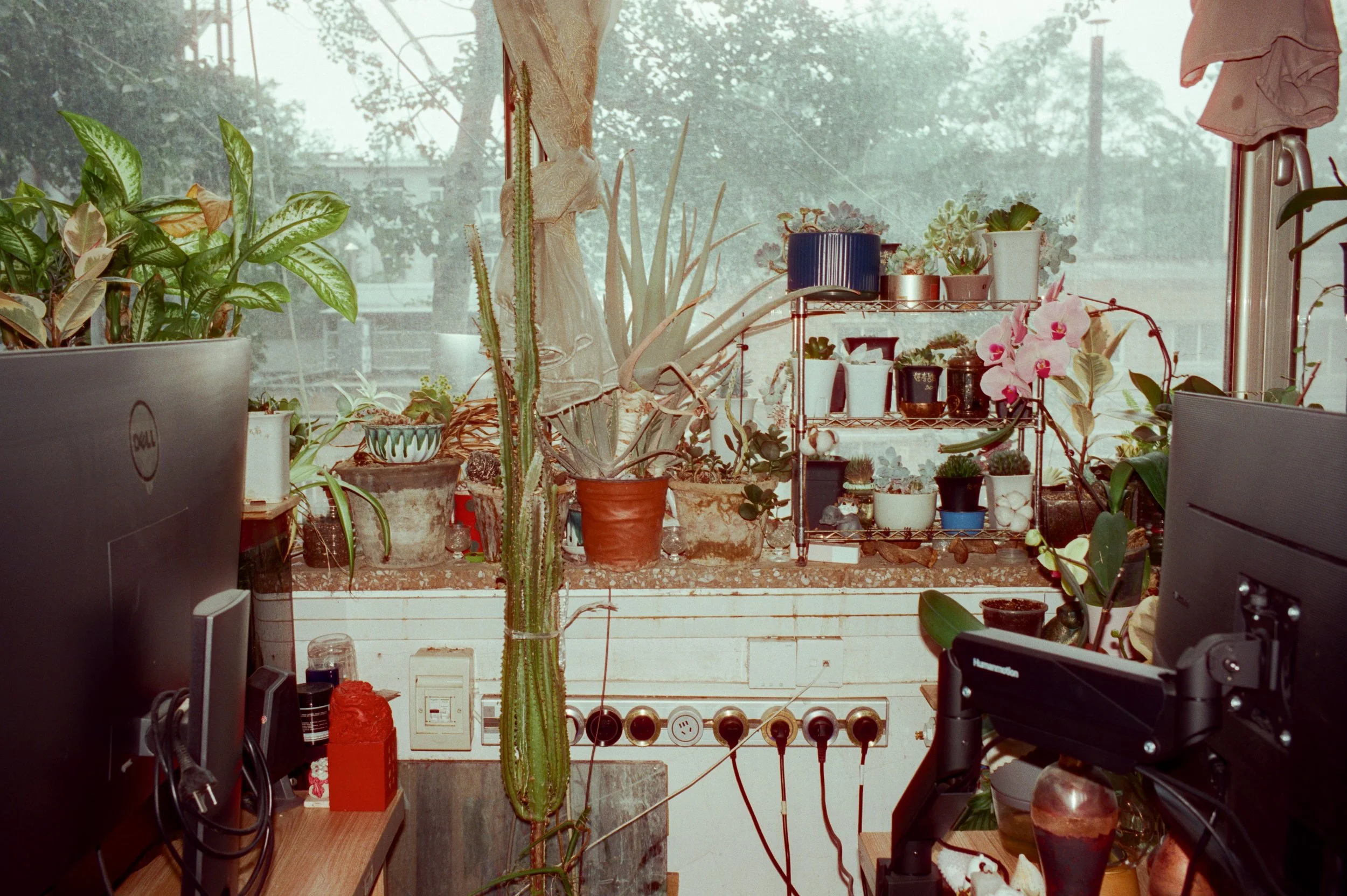
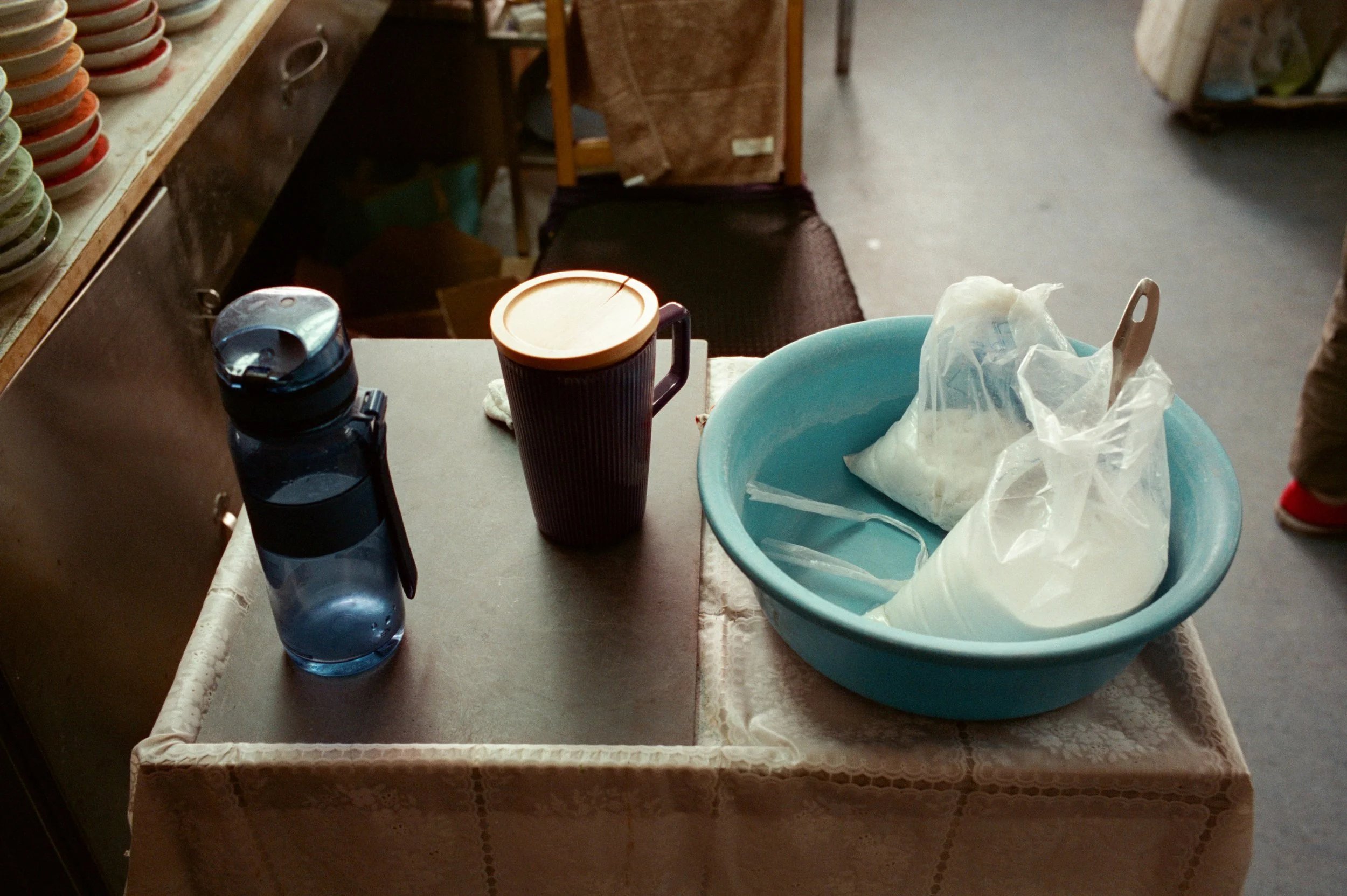
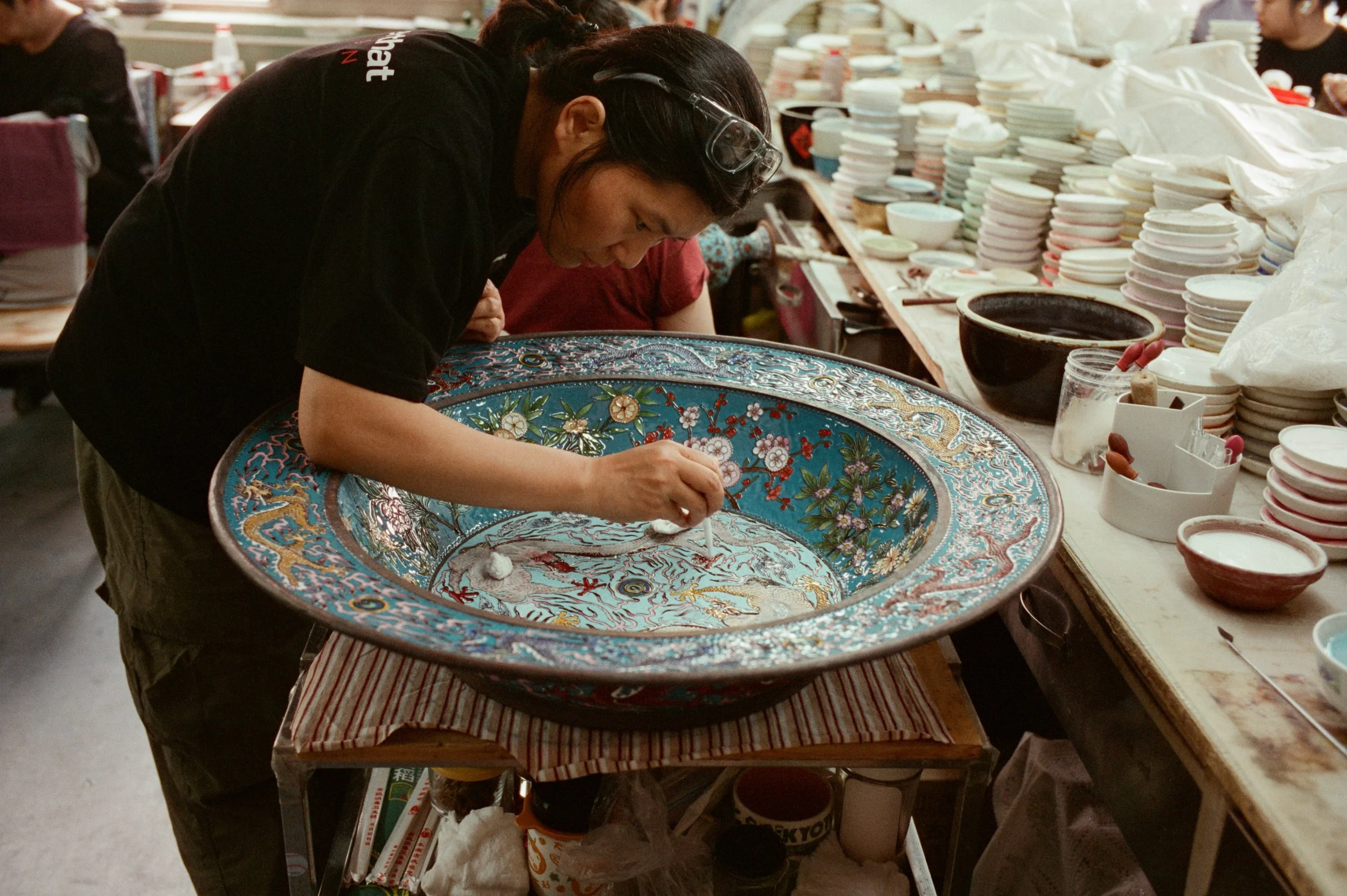
There is a cosmology of partitions that the form of cloisonné permits. With each copper enclosure and distinct line, the potential to emulate the infrastructure of a honeycomb presents itself. Barcelona-born photographer Adrià Cañameras on assignment to document Hotel Xitan in July 2025 within the Mentougou District outside Beijing, met Li Jing, a ceramic artist whose mosaic framed the hotel’s entrance. At the recommendation of Jing, Cañameras visited China’s now heritage-listed enamel factory, 北京珐琅厂(Beijing Enamel Factory Co., Ltd). The following series presents the labyrinthine system of exchange that characterizes the craftsman’s immediate and unforsaken surroundings – pigments, national flags, fans, gloves, locks, and keys. The enamel body that has been centralized and prized, on the pedestal of many courts, is seen through its construction.
With origins in the ancient Near East and Cyprus (c. 1800 BCE), and early manifestations in Egyptian jewelry, the technique of cloisonné enamel achieved a heightened finesse in the Byzantine Empire before emerging in China during the Yuan and early Ming periods, through transregional exchanges across the Islamic world.
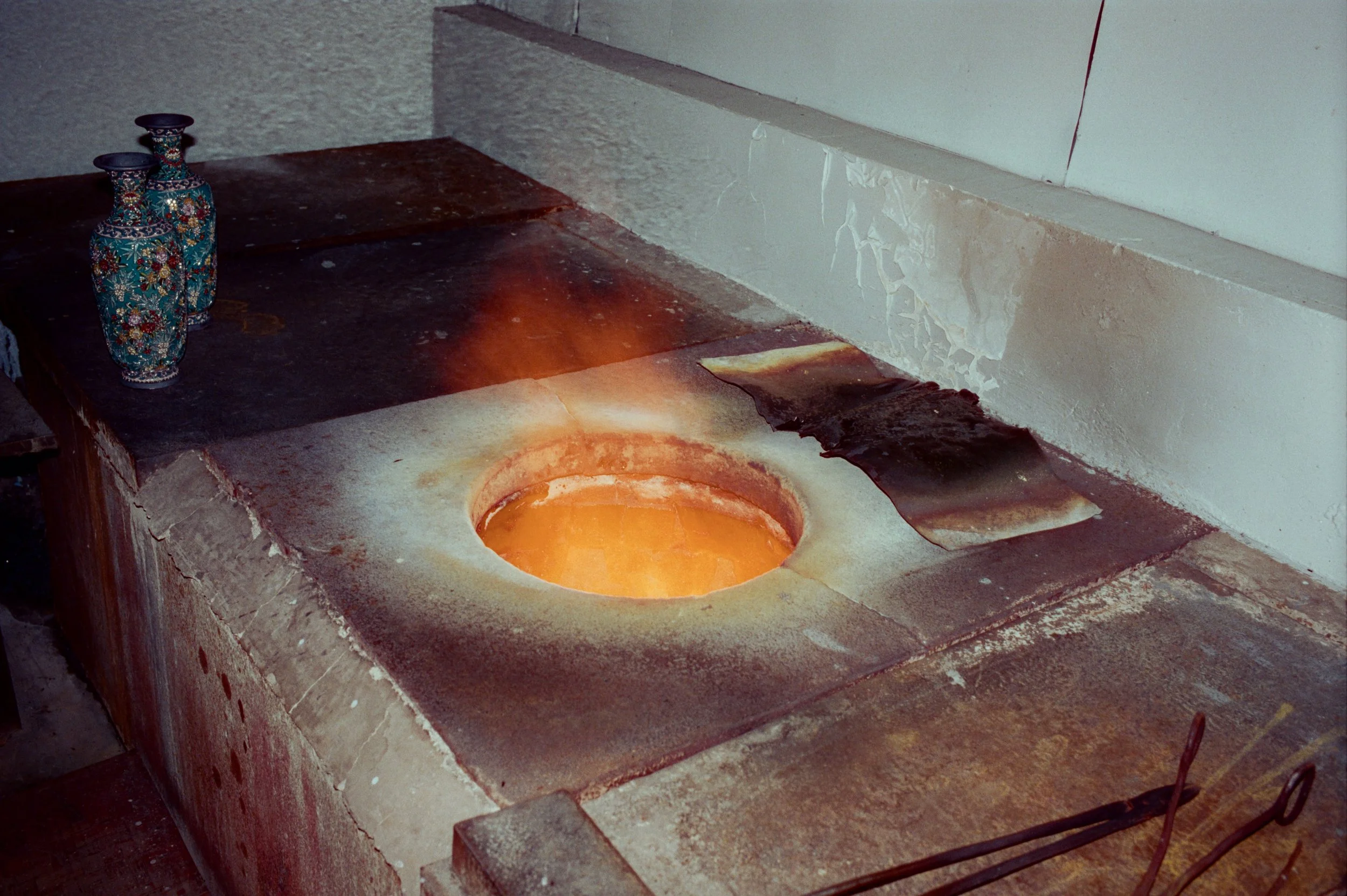
The intersecting metal ribbons that cover the surface of the vessel allow for enamel powder to be poured and constrained. When the totality of the negative space is filled, the object is fired. Enamel has a material integrity that is nebulous and indistinct in its preparatory phases, one may say it has the duality of a Janus figure. Originating from Roman mythology as the god of doors, gates, and beginnings, Janus could be identified in the tactility of enamels’ potentiality as administered through the precise drop-system. With each firing, further powder to aid the void left by the heat, and a succint polishing with hard carbon, reveals the wires gilt by a mercury amalgam. In the erosion and disappearance of the primary substance, a cohesiveness of form is rendered, one that has sought the gaze of the world’s changing empires.