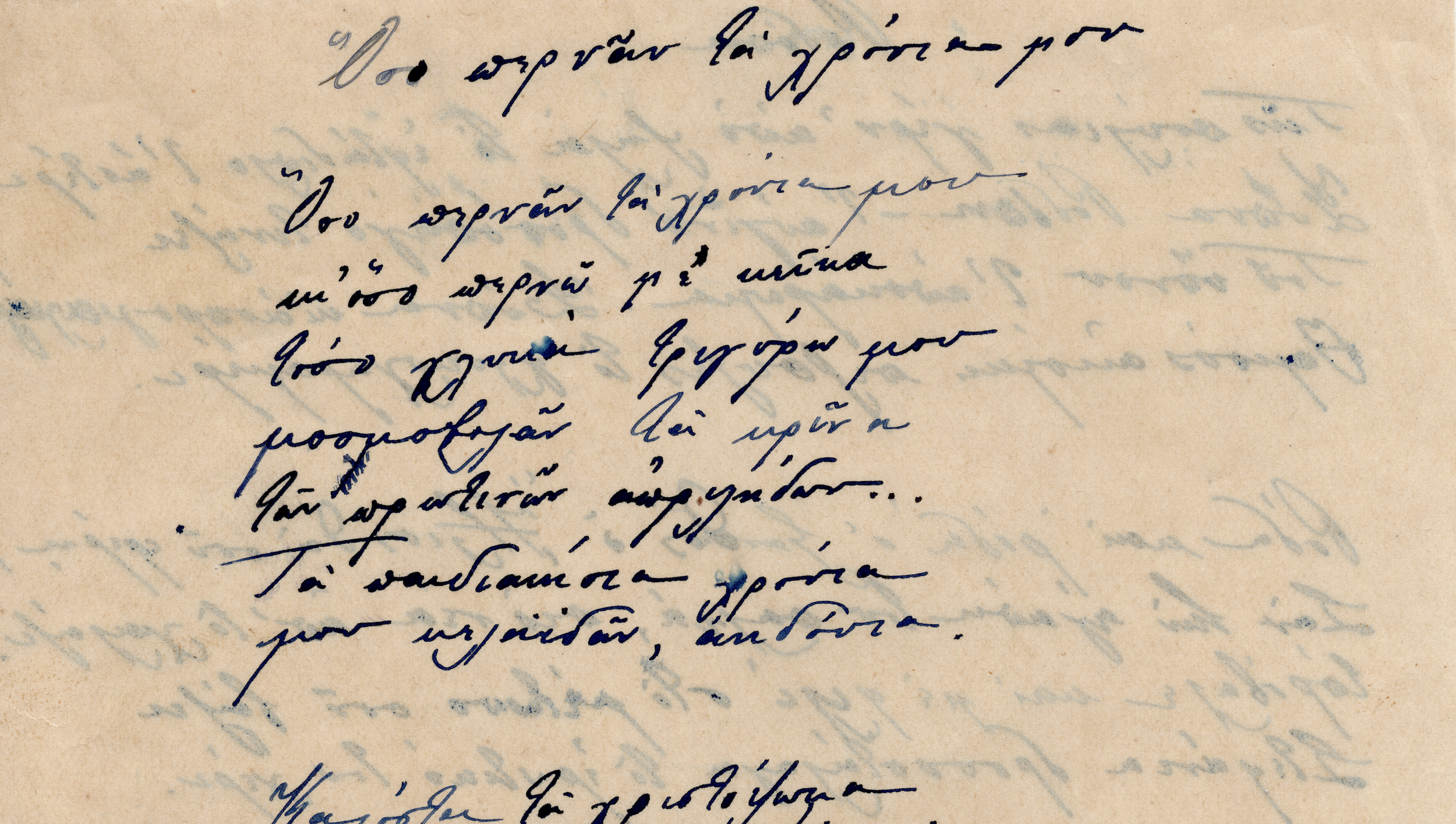
Five Years
(Est. September 2021)
A Novel Axis.

The Anniversary Archive.
SOIL EPIGRAPH
On the occasion of the non-profit’s fourth anniversary in September 2025, Athens Design Forum announced the creation of Soil Epigraph, a private collection of anonymous photographs (1890-1980) foraged to exist in counterpoint to monolithic visual representations of Greece.
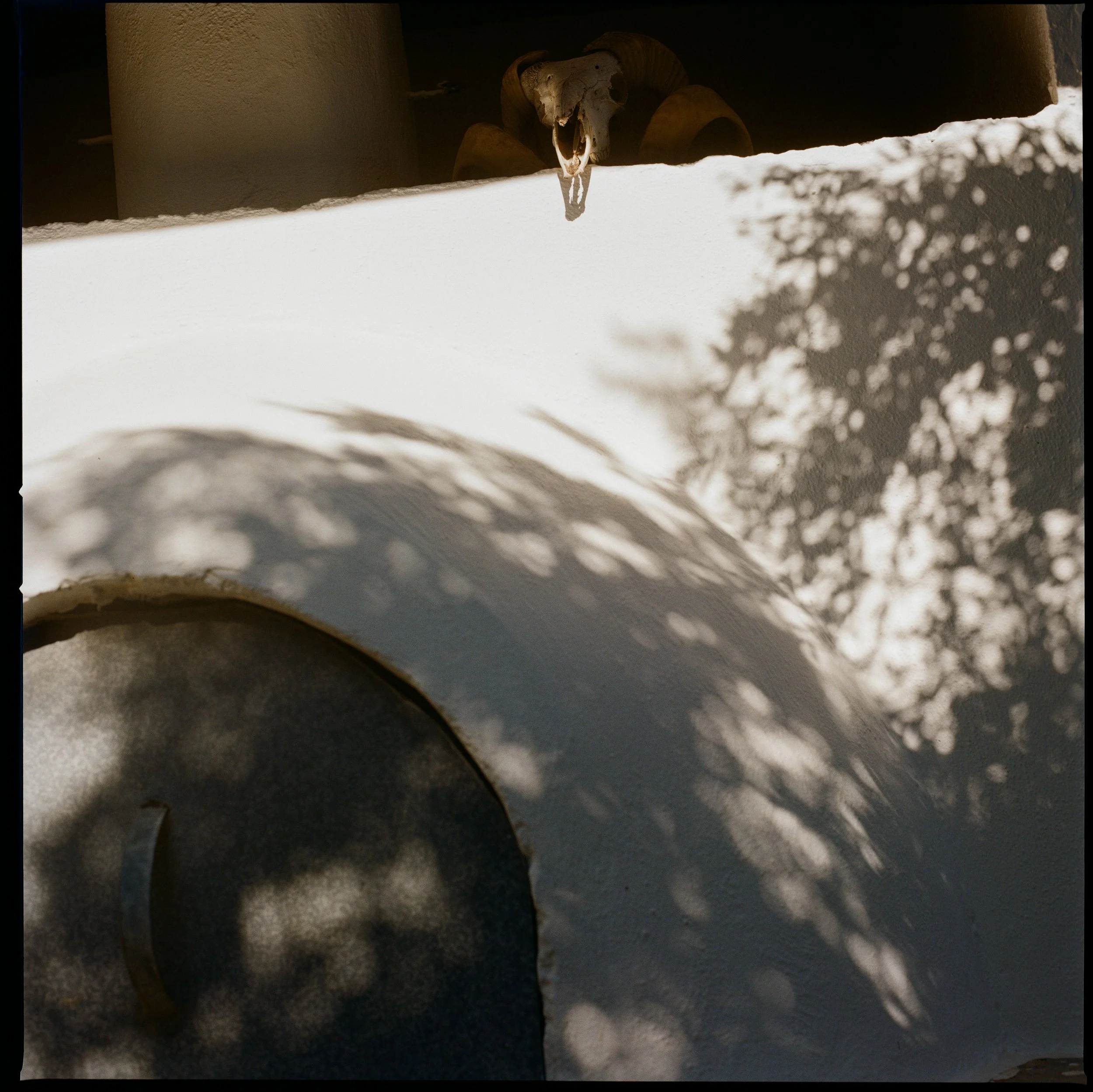
JACK WHITTEN. Music of the Spheres (Agia Galini)
On the occasion of The Numinous at Hauser & Wirth Los Angeles, Athens Design Forum presents the movement of a psyche: Jack Whitten’s orientation of Greece. This is a history built from fragments, foregrounding a harmonic overture into the life of a monumental figure with the continuum of people and environments that shaped his cosmology.
The unpublished photographic record of the late artist is joined by interviews and newly commissioned portraits of Whitten Acres in Agia Galini, Crete, coalescing a polyphonic reading of how his identity was articulated across geographies. Before Whitten became an artist, he was a musician – transcending rhythmic gestures that were then shared in his language of sculpture.
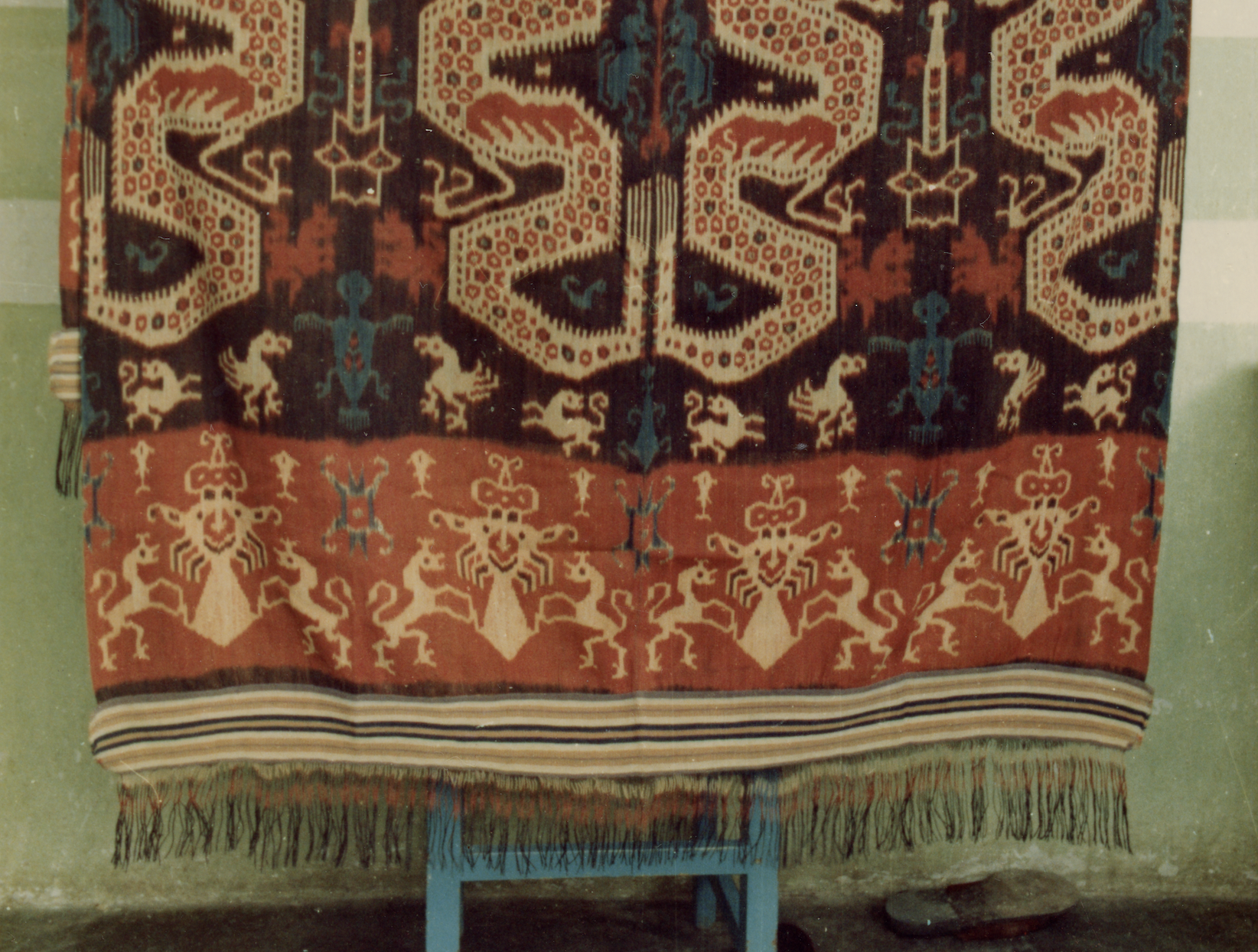
JB BLUNK. THE PHOTOGRAPHIC GESTURE (Indonesia, 1979)
The human cognition of finality has long penetrated the world of symbols, reckoning such knowledge a talisman toward creation itself. For the first time, Athens Design Forum and the JB Blunk Estate present a body of imagery associated with the artist's encounters throughout Indonesia, supported through a USICA Cultural Exchange Travel Grant, orienting a horizon through which to question how one becomes a ‘recipient’. Within the act of reception lies the tension between recognition and the creation of new proportions, novel translations.
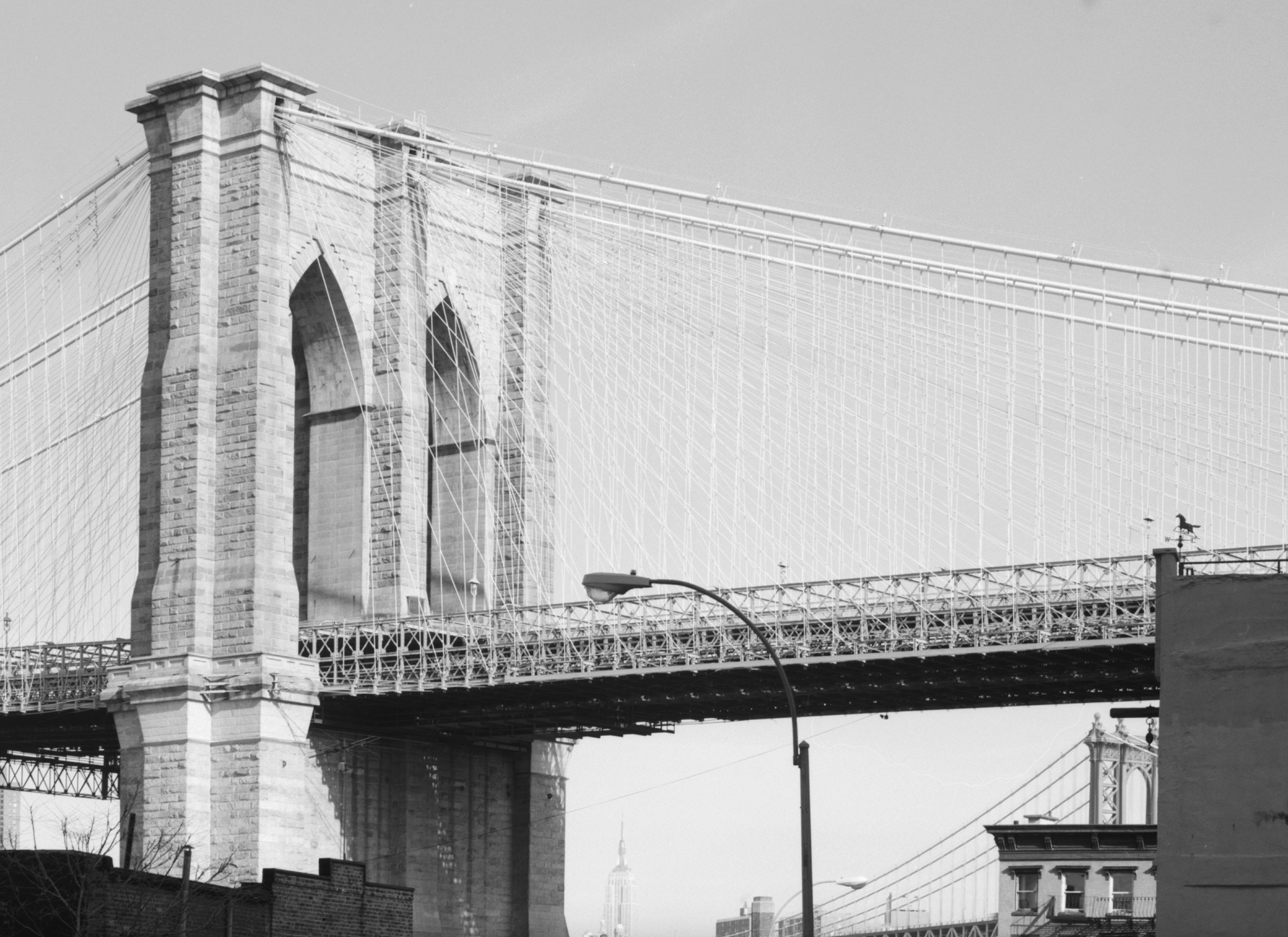
JET LOWE
“Drive out the imaginary and it returns at a gallop”
— Michel Butor from Inventory: Essays (1969)
Incantations of machinery, stilled in a photographic frame, summon an abstraction made sensible to the human eye. Produced within the governmental frameworks of the Historic American Buildings Survey (HABS) and the Historic American Engineering Record (HAER), Jet Lowe's photographs continually exceed the documentary mandate from which they emerge. Critic Michel Butor’s decisive statement “drive out the imaginary and it returns at a gallop” defines the longevity of a photographer who, for decades, traveled the great and unknown landscapes of the United States, granting a percussive fervor to industrial representation and the anatomy of buildings influenced by vast regional differentiation and cultural multiplicity.
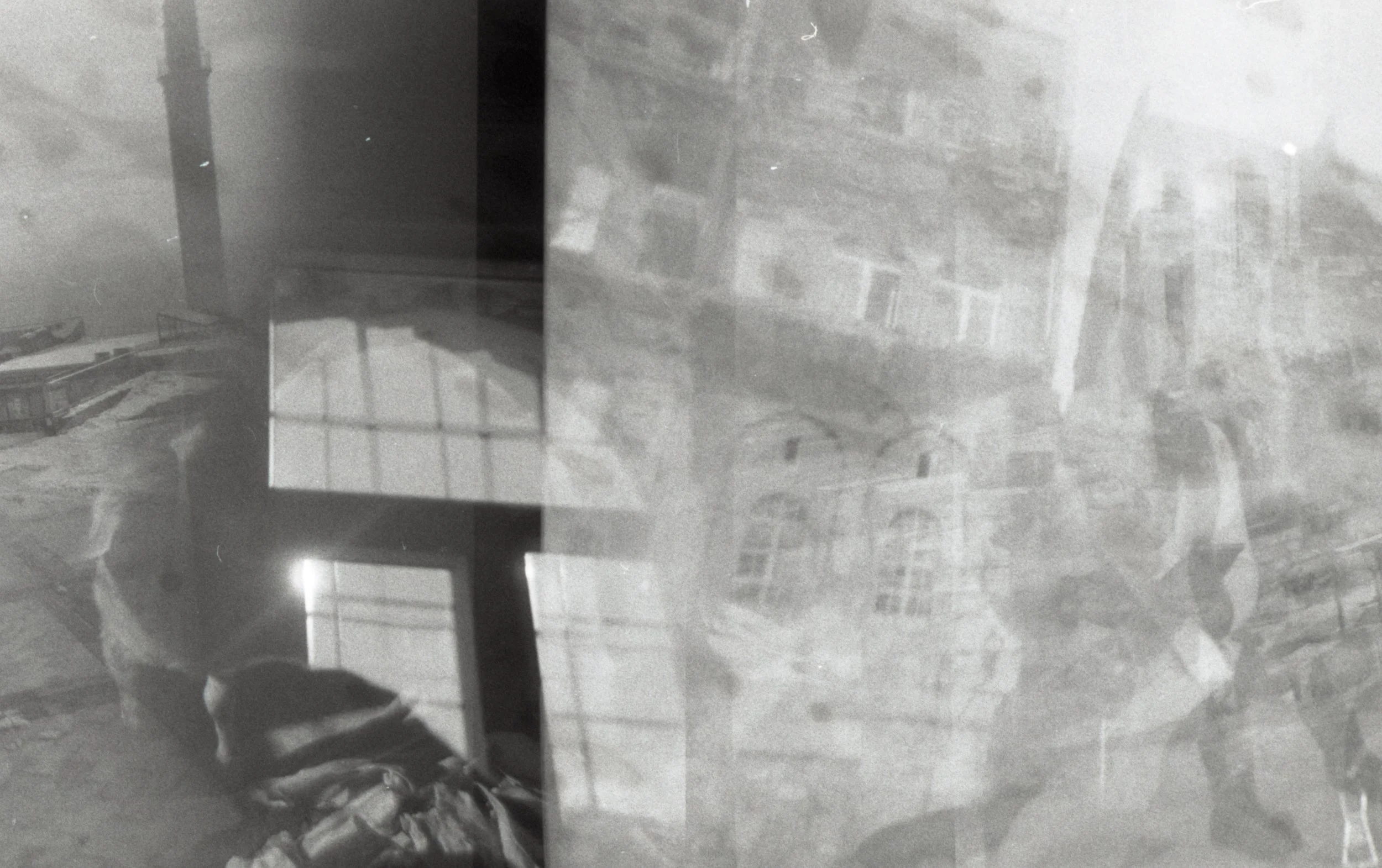
THE SILVER MEDIUM OF IMAGE with FOTOHANE DARKROOM
As the camera becomes an inscription of sight, the stage of framing and those depicted requires a delineation of spirit, solidifying a reveal of intention from the latent image. This becomes the alchemy of the darkroom; a value-system of image creation where nothing is certain until the effect of appearance becomes visible. The rays of a cityscape oscillate in the moving hands of a child’s navigation, and the territory’s angular face is fragmented, perceptible in parts – a fragrant re-establishment of identity. Within a stone building of pronounced arches, just above a silver filigree workshop, Fotohane Darkroom in Mardin, Turkey, was built by Syrian photographer Serbest Salih and Turkish-born Amar Kılıç, providing the infrastructure for a communal darkroom and photographic workshop for the region’s local and displaced children. Sourcing 35mm point-and-shoot cameras and film stocks from manufacturers Ilford, Kodak, and Fujifilm, the Darkroom’s ethos encourages the creation of resonant meanings amongst the participants in their evocation of placeness and its outlines of receptivity.
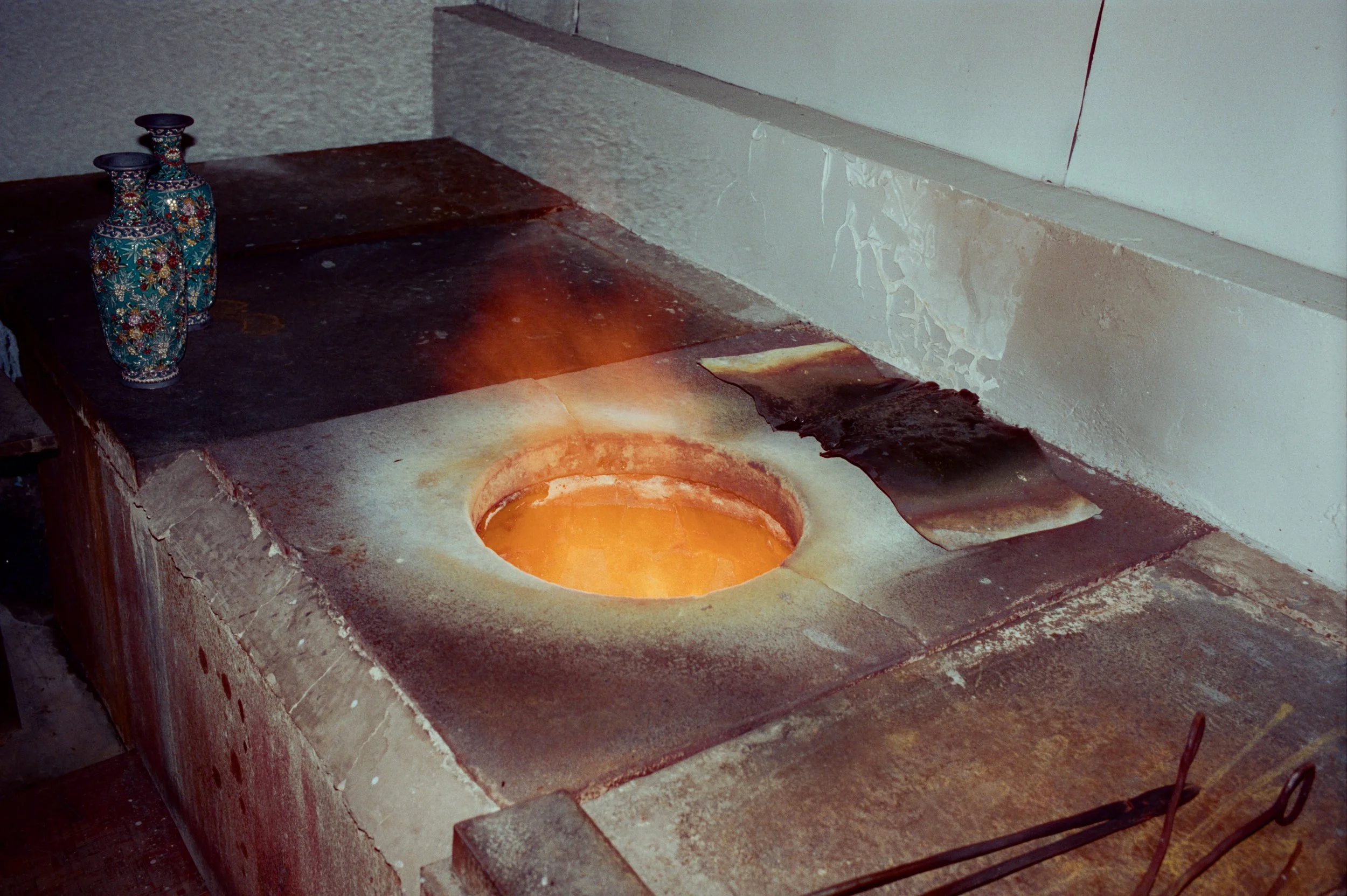
CLOISONNÉ
Athens Design Forum presents Cloisonné, a photographic series by Spanish photographer Adrià Cañameras in Beijing, China.
There is a cosmology of partitions that the form of cloisonné permits. With each copper enclosure and distinct line, the potential to emulate the infrastructure of a honeycomb presents itself. Barcelona-born photographer Adrià Cañameras on assignment to document Hotel Xitan in July 2025 within the Mentougou District outside Beijing, met Li Jing, a ceramic artist whose mosaic framed the hotel’s entrance. At the recommendation of Jing, Cañameras visited China’s now heritage-listed enamel factory, 北京珐琅厂(Beijing Enamel Factory Co., Ltd). The following series presents the labyrinthine system of exchange that characterizes the craftsman’s immediate and unforsaken surroundings – pigments, national flags, fans, gloves, locks, and keys. The enamel body that has been centralized and prized, on the pedestal of many courts, is seen through its construction.
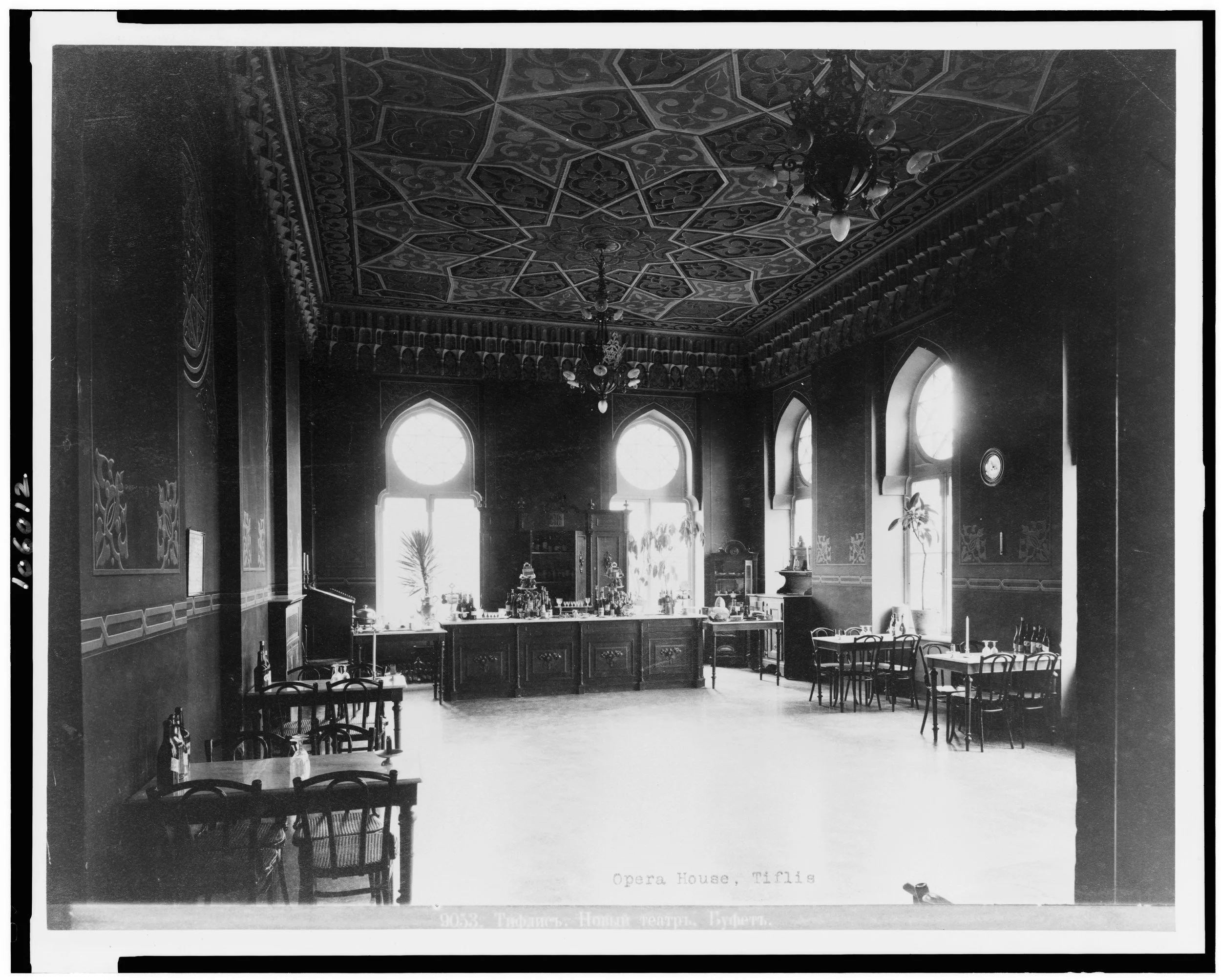
EKA PAPAMICHAIL
“For we are wounded by invisible swords from the blue” – Francisco Garcia Lorca, The Cicada
Where there is a recurring sound of wings in motion, Lorca’s The Cicada deciphers a limit of blue — not as horizon, not as a finality — but a ferment of colour to make legible the “invisible swords”. Perhaps it is the sea or the sky that pacifies in a tone so known that its outline always carries a weight of recognition. When Papamichail sent me a fresco of the military saint Saint George, his sword a sign of true strength separating good from evil, from the perspective of scaffolding for the restoration of the Gelati Cathedral, Lorca’s words provided an entry into this feature.
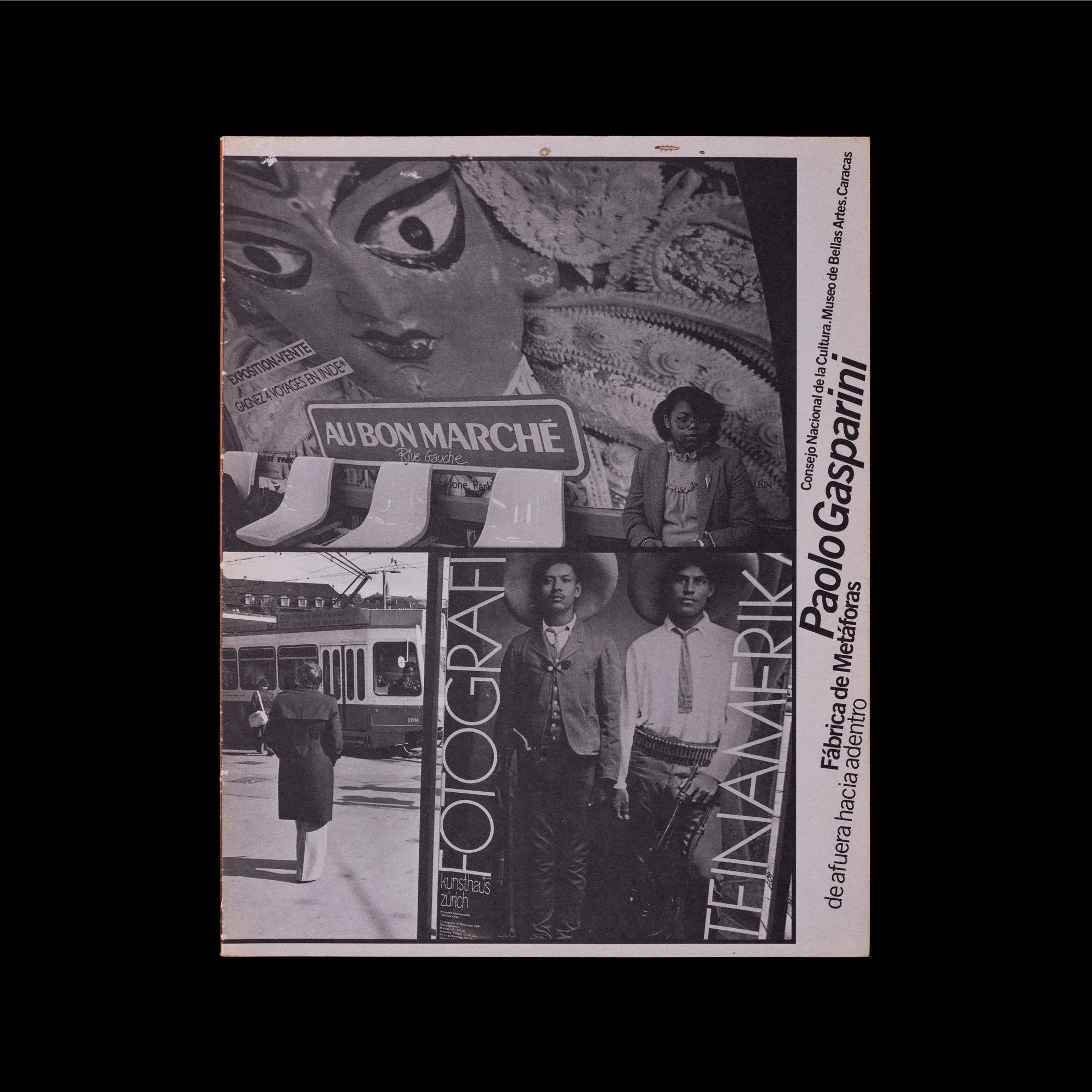
RICARDO BÁEZ /Archivo Gráfico™ Venezuela
When the mind proliferates images of accord, and designers form the enunciabilities of a nation, the archive is burnished to a dimension bound in static proportion. The velocity and range of a country’s aesthetic regime is articulated in the power of graphic form, surpassing solely the built, concentrated in the mobile projections – record covers, magazines, catalogues, books. Forging a timeline vulnerable to erosion, Venezuelan graphic designer Ricardo Báez formatted a potent repository, Archivo Gráfico™ Venezuela, enabling introspection into types of corporate sponsorship routinely tied to oil extraction, such as El Farol magazine, “where Venezuelans themselves got to know their country through the eyes of a US oil company, Creole”. Pulsating forward new perceptions of modernity, these graphic articles were clearly defined by the engines of industry.

SALON PHILIPPE
(Words) YOUSSEF BASSIL
(Photography) GEORGIA MCHAILEH
Athens Design Forum presents ‘SALON PHILIPPE’, an interview conceptualized by Lebanese designer Youssef Bassil on the fractal identity of a barbershop (est. 1968) in Achrafieh, Lebanon. An anatomy of the interior works in material counterpoint, affixed by years of quiet fortitude – the original Lebanese-made cast iron barberchairs, chrome-dipped and baptised with a signage of ‘Venus’, are reflected in the softness of formica walls and melamine counters. In Bassil’s composition, an anthology of belonging traces the disappearance of citrus trees and grape vines as the city center of Lebanon ever-rises in the portrait of Philippe Aaoun, ‘SALON PHILIPPE’.
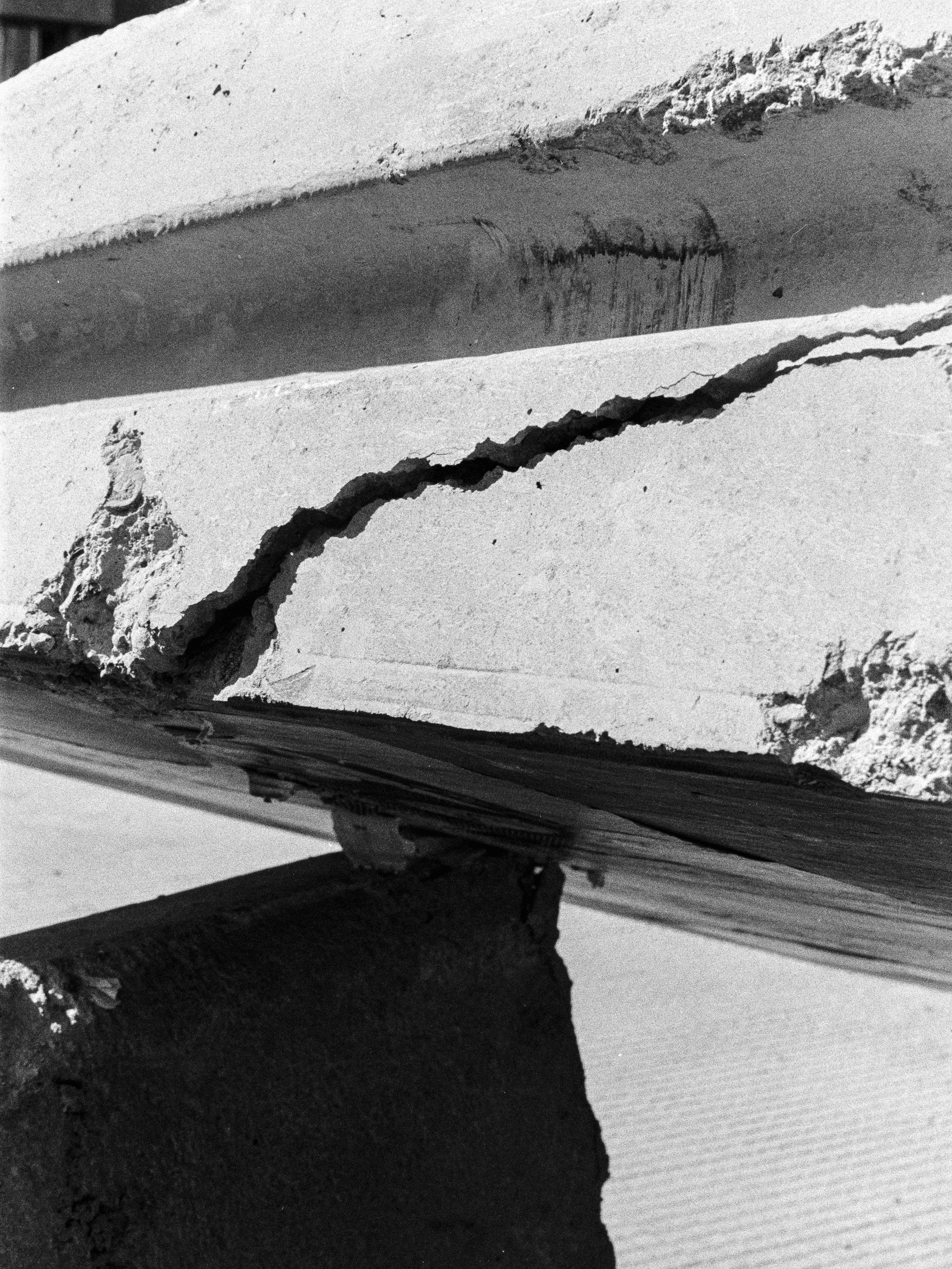
The Spherical Axis: Escombros and La Memoria de la Forma by Javier Aravena Costa
Athens Design Forum presents Escombros and La Memoria de la Forma by Chilean researcher and photographer Javier Aravena Costa. When extraction is articulated as a symptom of industrial annunciation, architectural permanence is dismantled. In the absorption of a geography’s lack or abundance, Costa deciphers the conscious alternation of landscape and how ‘new contexts of resistance’ inform the forging of territorial identity.