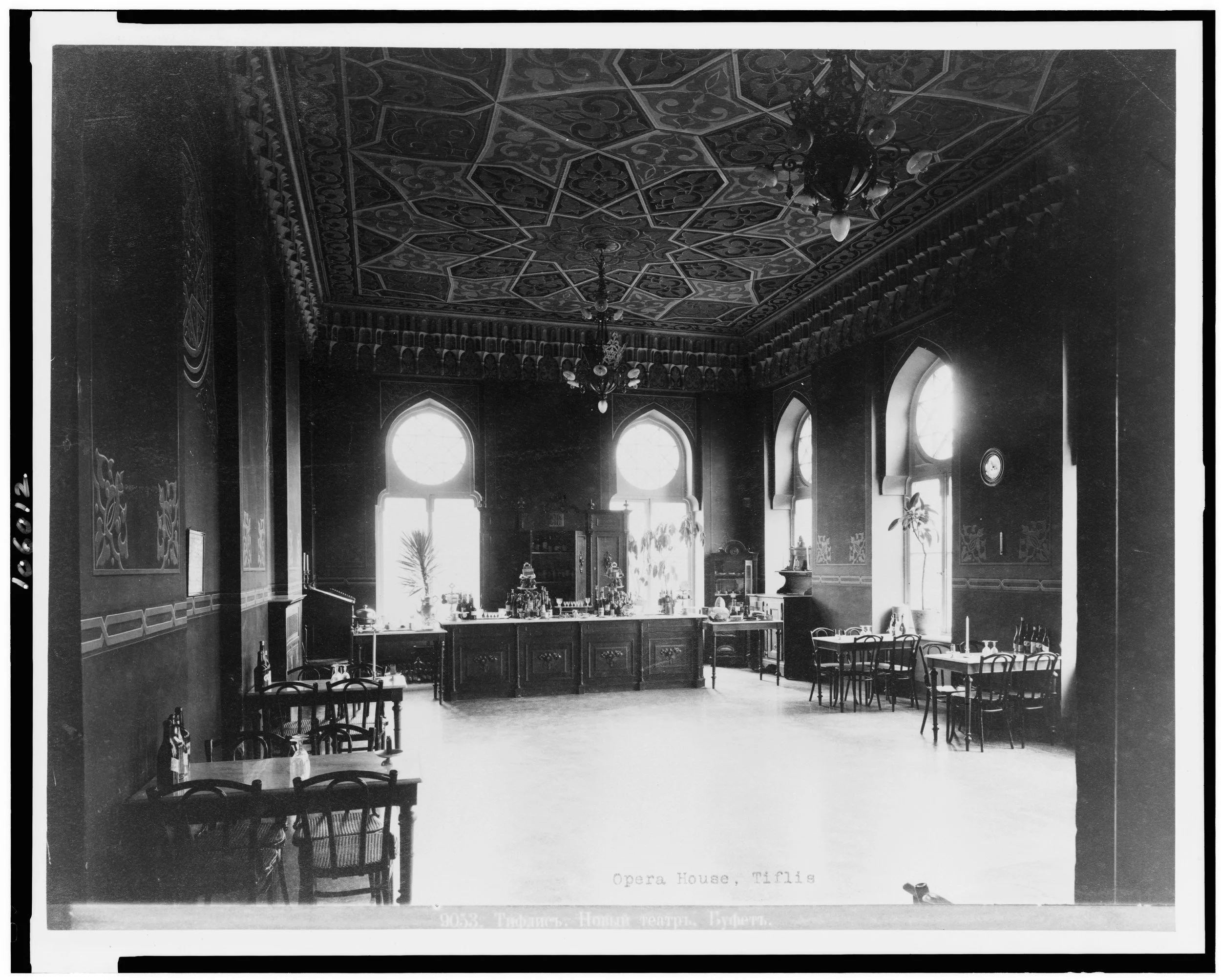
Interior of the café in the opera house, Tbilisi, Georgia (Republic) – 1888-1900. Courtesy James Guthrie Harbord Collection.
EKA PAPAMICHAIL
“For we are wounded by invisible swords from the blue” – Francisco Garcia Lorca, The Cicada
Where there is a recurring sound of wings in motion, Lorca’s The Cicada deciphers a limit of blue — not as horizon, not as a finality — but a ferment of colour to make legible the “invisible swords”. Perhaps it is the sea or the sky that pacifies in a tone so known that its outline always carries a weight of recognition. When Papamichail sent me a fresco of the military saint Saint George, his sword a sign of true strength separating good from evil, from the perspective of scaffolding for the restoration of the Gelati Cathedral, Lorca’s words provided an entry into this feature.
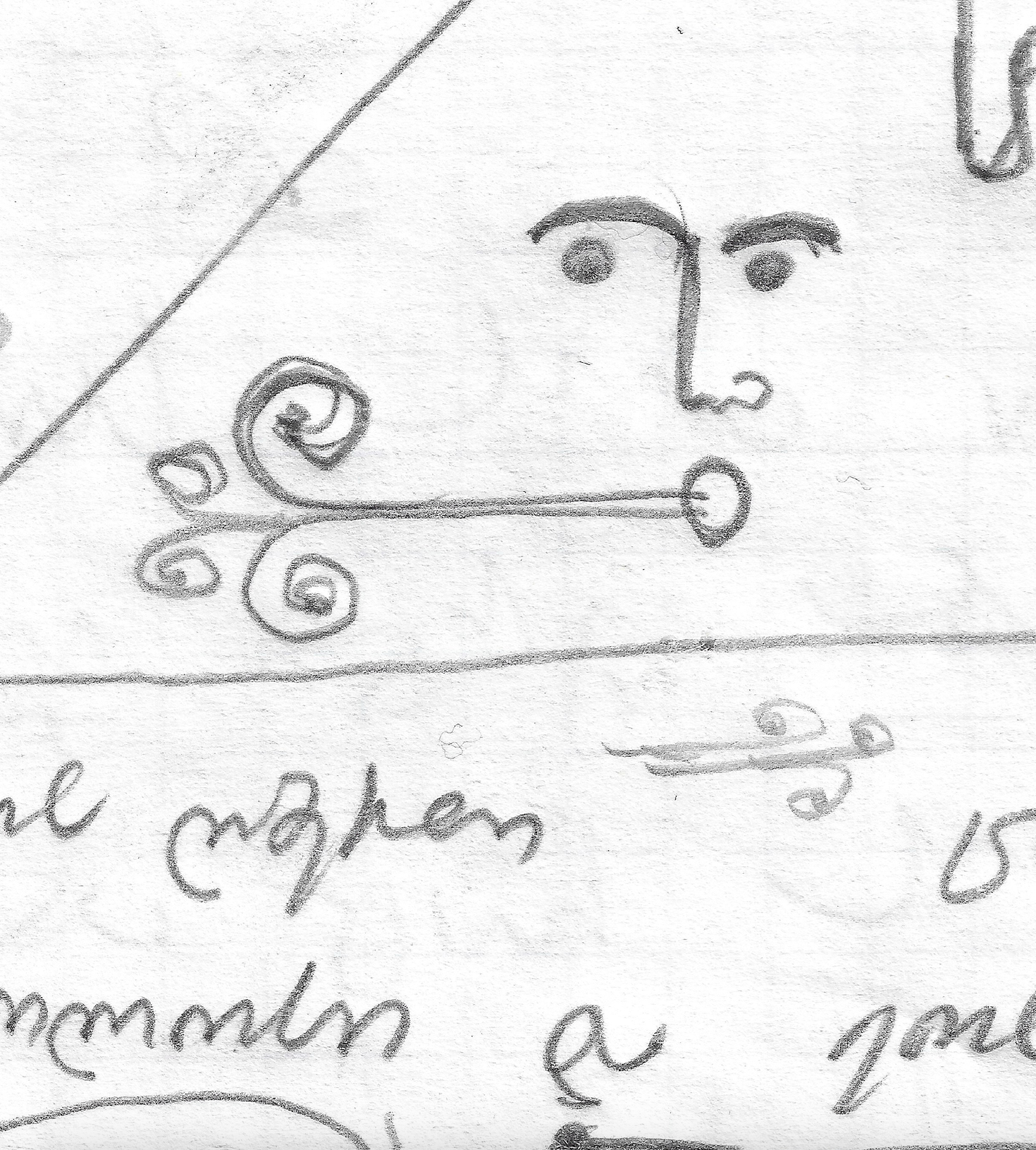
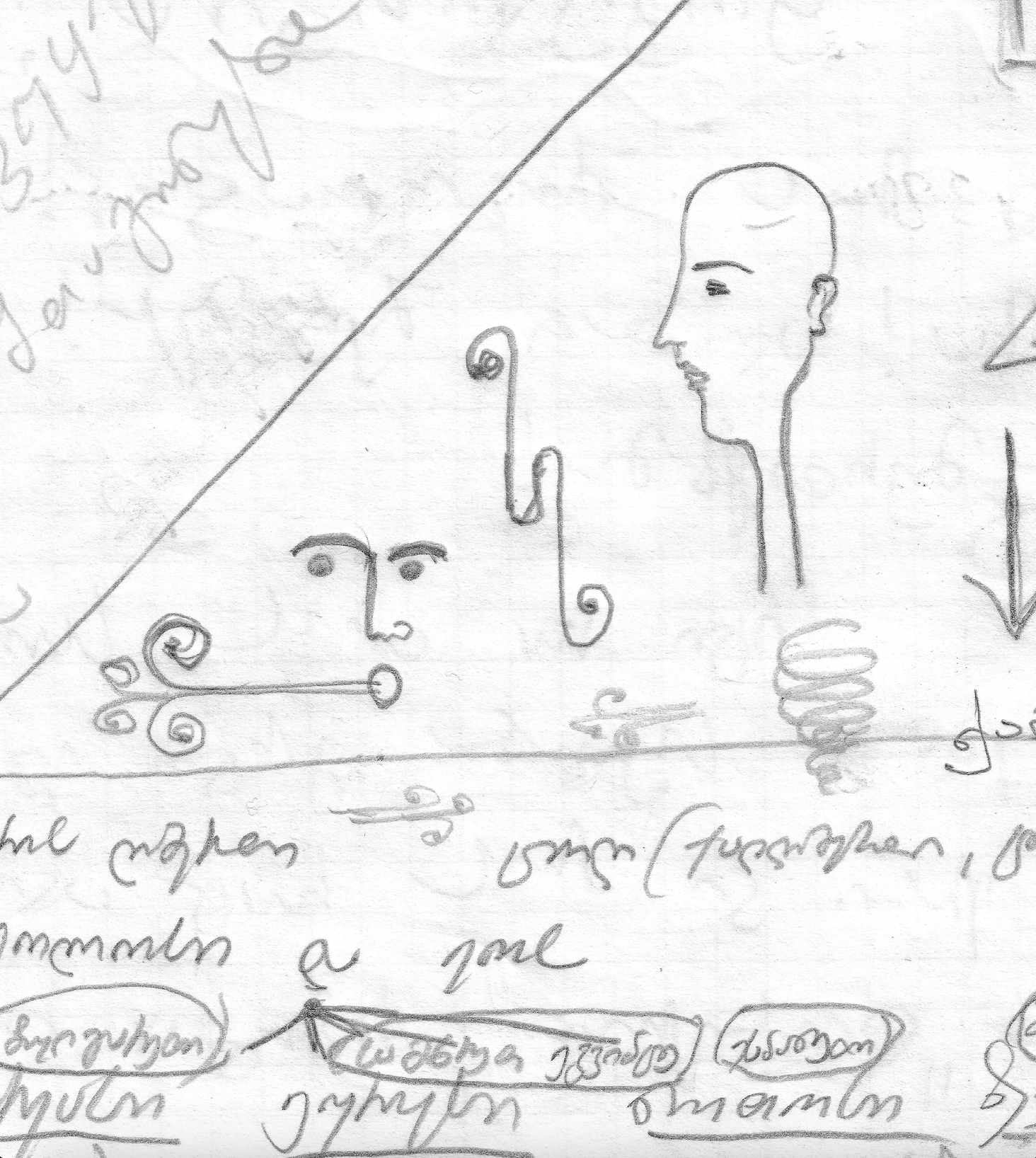
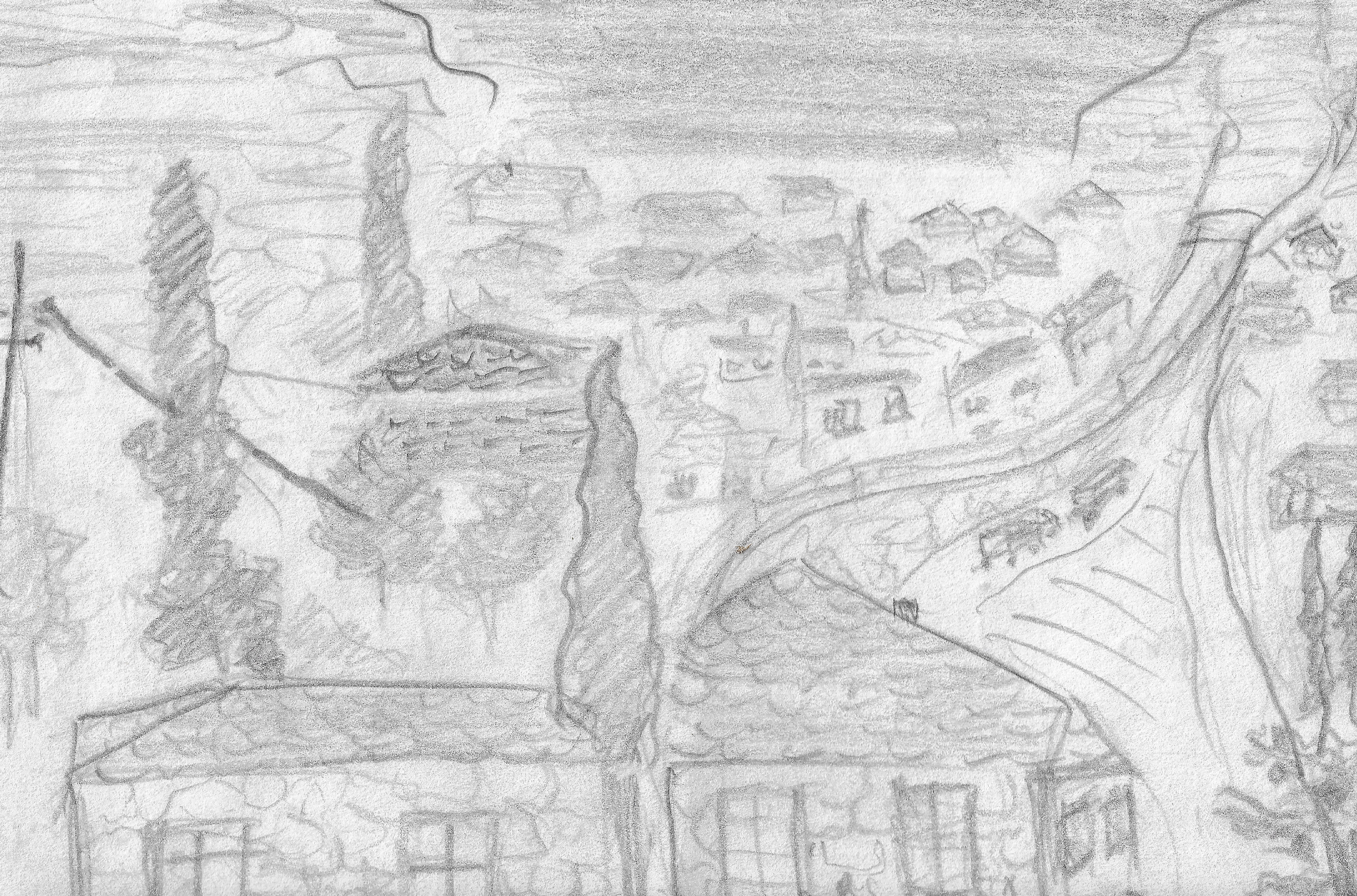
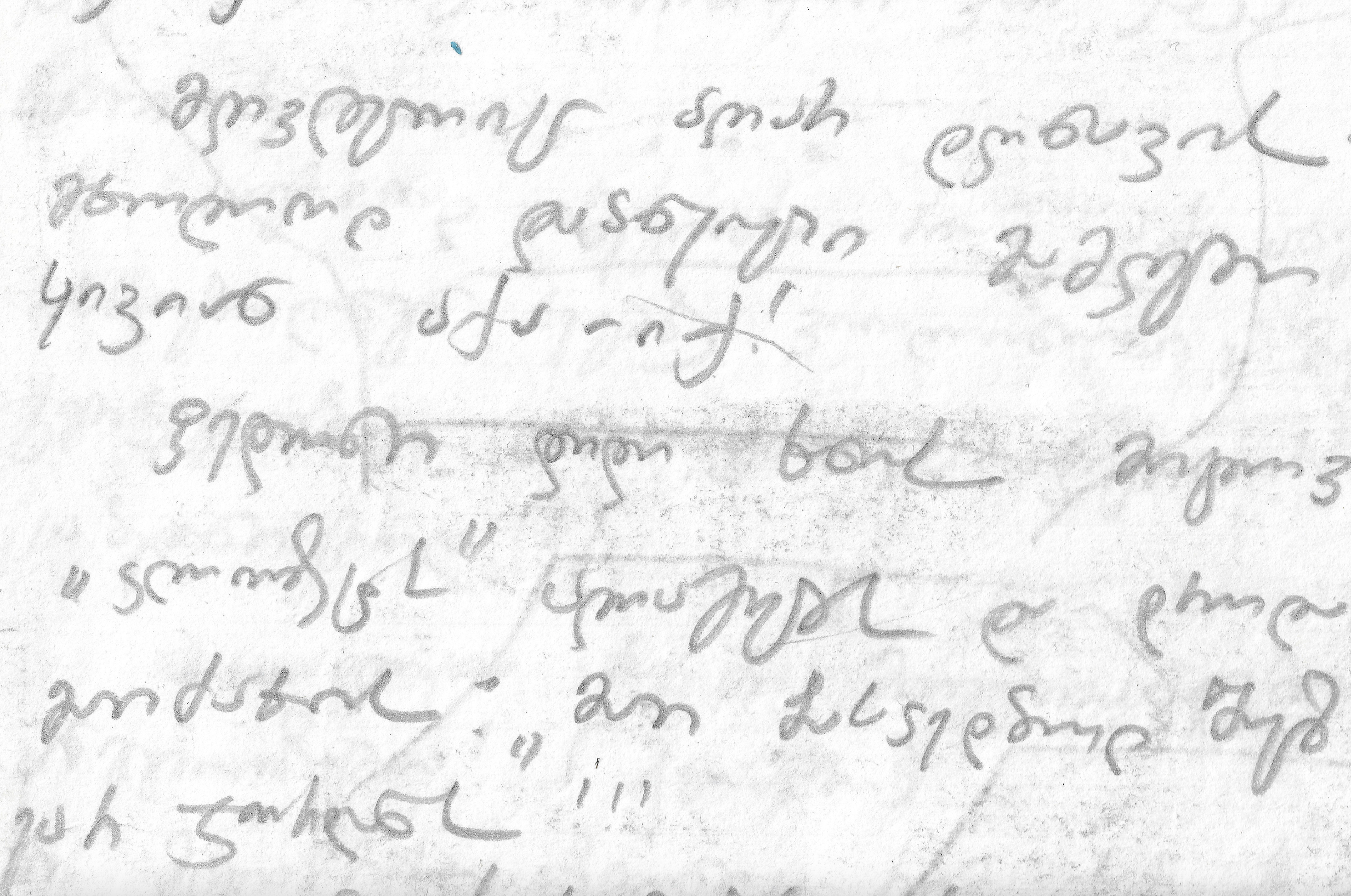
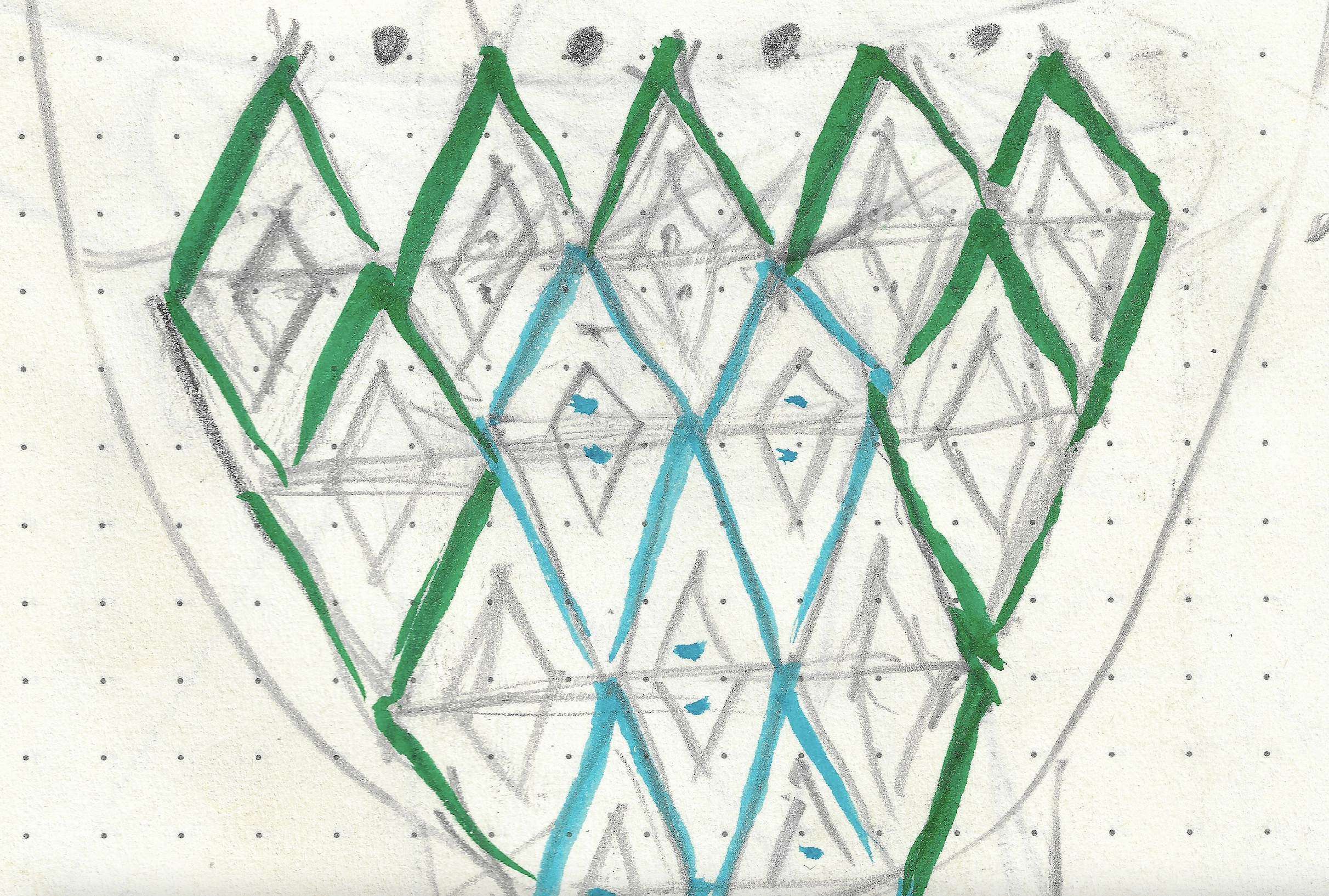
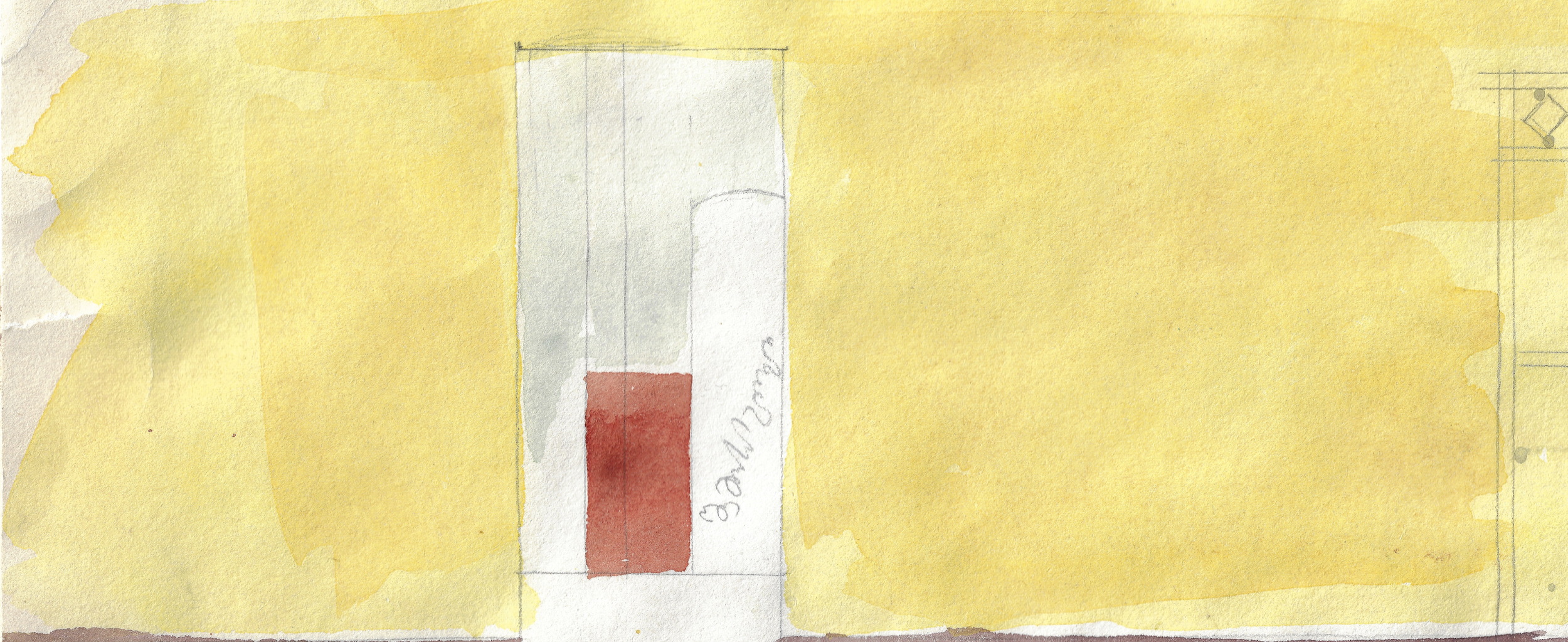
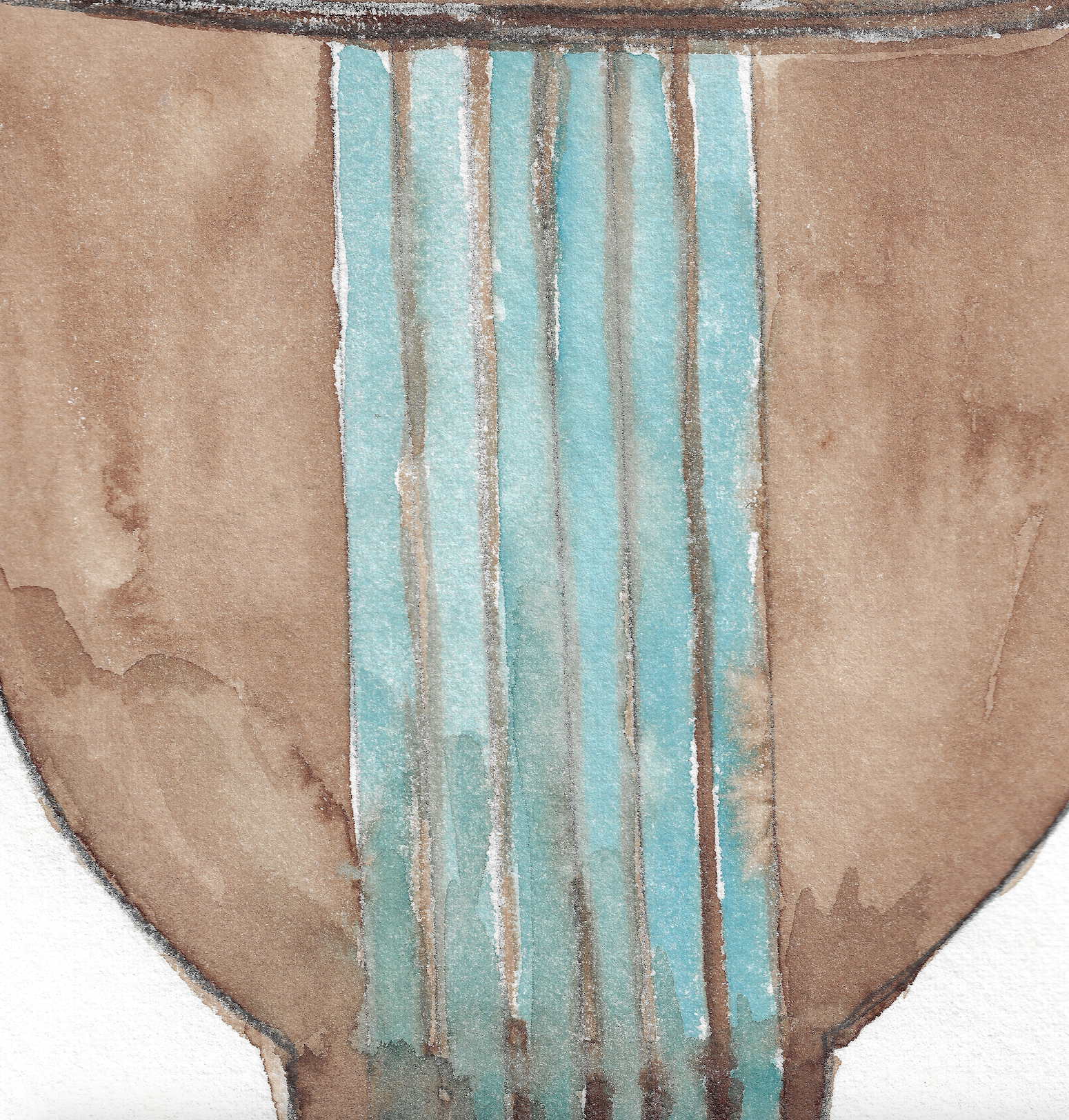
Athens Design Forum presents the fragmented archive of Georgian interior architect and designer, Eka Papamichail, as it has been composed, arranged, and stoic in its spatial resonance between worlds. Pencil sketches become decisive instruments to make the unknowable seen again: as she renders parables of the wind gods in Leonidio, ceramic pots inscribed with the veins of fire, and the aquarelle elevations for a café in Tbilisi. We enter under the guise of elements: fire, air, water, wind. An alchemy of the urban and interior environment deforms preconceptions of boundaries — and the diaries of Papamichael, nurtured on Greek and Georgian soil — provide an arc of association between two visceral landscapes.
⸻
While researching James Guthrie Harbord's archive, with documentation from the restoration of Tbilisi’s Opera House Café, after the devastating fire of 11 October 1874 (which erupted just before a performance of Vincenzo Bellini’s Norma) —an antagonism into the enduring potential of Georgian symbolism presented itself:
“Tbilisi’s architecture was already finding its voice in interiors such as the Opera House’s Café, absorbing European influences while holding onto its own unmistakable visual language. There is a gentle tension in how these elements meet, a harmony that feels both intentional and instinctive. It’s the kind of balance that shows how the city was quietly shaping its architectural identity. The geometry of this room, the painted ceiling, the way the light settles with such softness, all of it carries a quiet familiarity. There is a precision in its proportions and a tenderness in the atmosphere, a dialogue between structure and emotion. In my deepest memories of Tbilisi, its architecture and interiors were already shaping my design language long before I ever called it design. And in my work today, I still look for that same equilibrium, restraint and warmth, clarity and feeling. The quiet discipline of proportion, the sensitivity of light, the calmness that comes when materials speak softly. All of it held together in a room that breathes.”
– Eka Papamichail
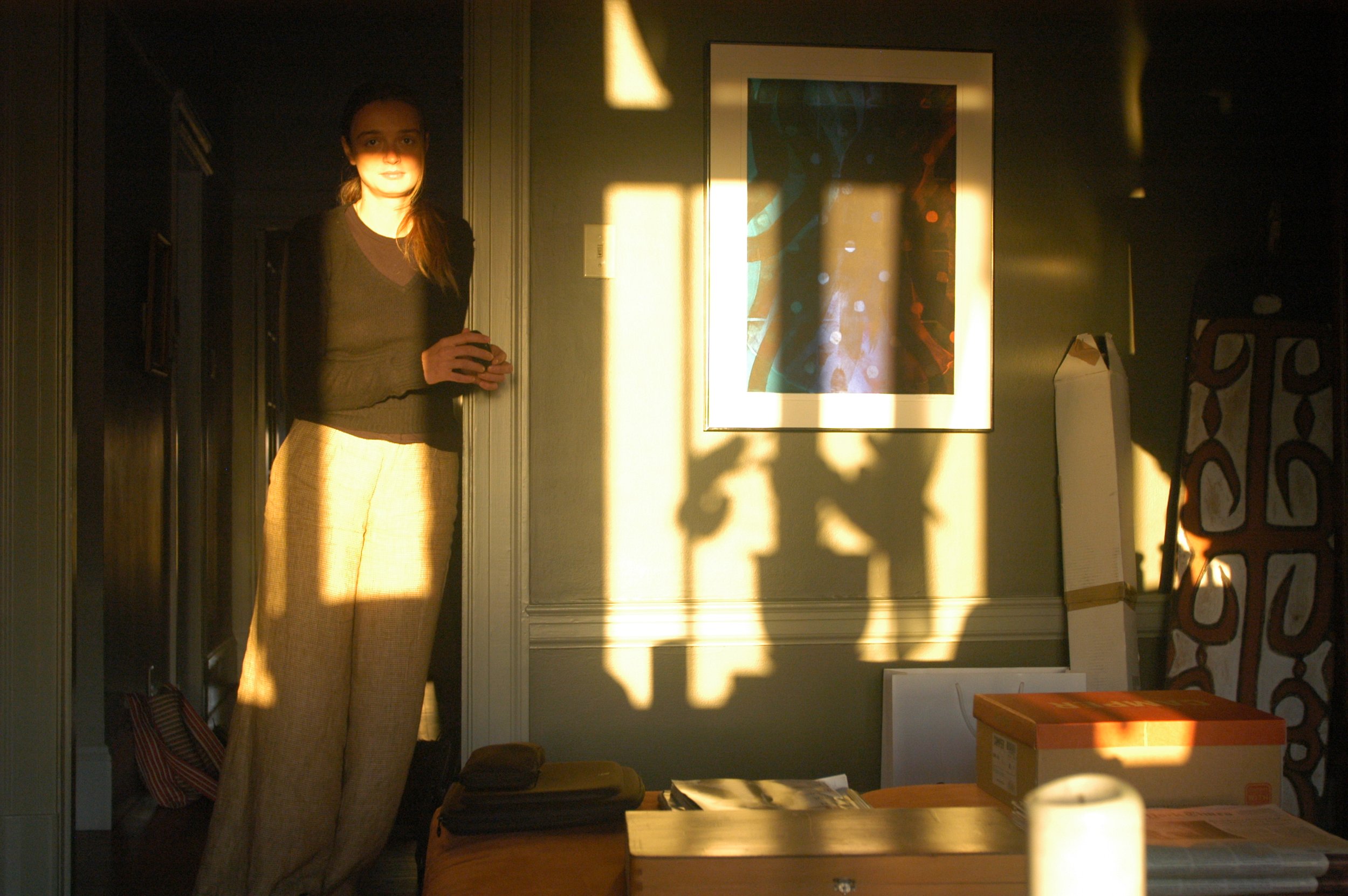
Papamichail in San Francisco, twenty years ago. Image by her husband, Greek cinematographer Phedon Papamichail.
( The Arc of Associations )

( Leonidio )