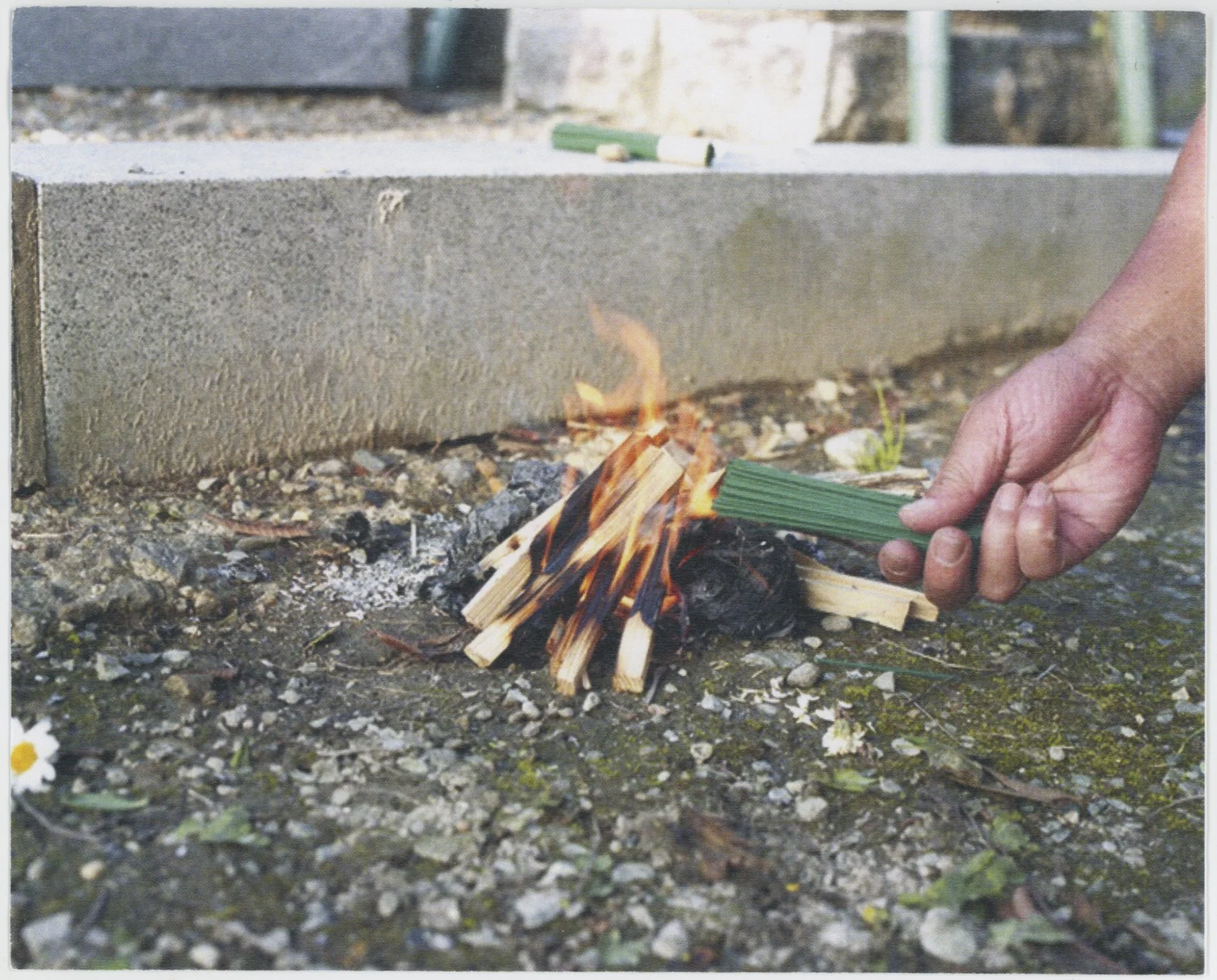
Fukushima Prefecture with Rebekka Deubner
There is a gesture of a fisherman in Fukushima, whose desire to release his net is never stilled in momentum, even though he cannot eat his return of labour due to exposed radiation. The act is what French-German photographer Rebekka Deubner described as a form of forced “preservation” with a changed or obscured finality. The human, in face of change, finds continuum in the defining inscription of their traces. On December 03, 2011, the north-east-coast was impacted by three phenomena: a naval quake, tsunami, and the explosion of Fukushima Daiichi nuclear power plant, formalizing a forbidden zone of thirty kilometers encircling the site. This imagined fence became a precipice to enter the reality of the impact across scales of representation.
Deubner’s archive from Fukushima reverberates in re-encountering the initial visit of 2014, three years following the catastrophe, where the boundary of life beyond that outline remained. She insists:
“Radioactivity does not stop at one point or expand in a homogenous way. It works like a cloud according to the climate and the geological landscape. Almost no one lived in the forbidden zone back then, but many people lived all around it, in also contaminated areas, although they were aware of pollution but couldn’t or chose not to move away. The way the Japanese government traced the forbidden zone defined who should be evacuated and who had to stay, and from then on (the inhabitants) composed their daily life with this new potentiality of danger and exposure to radiations.”
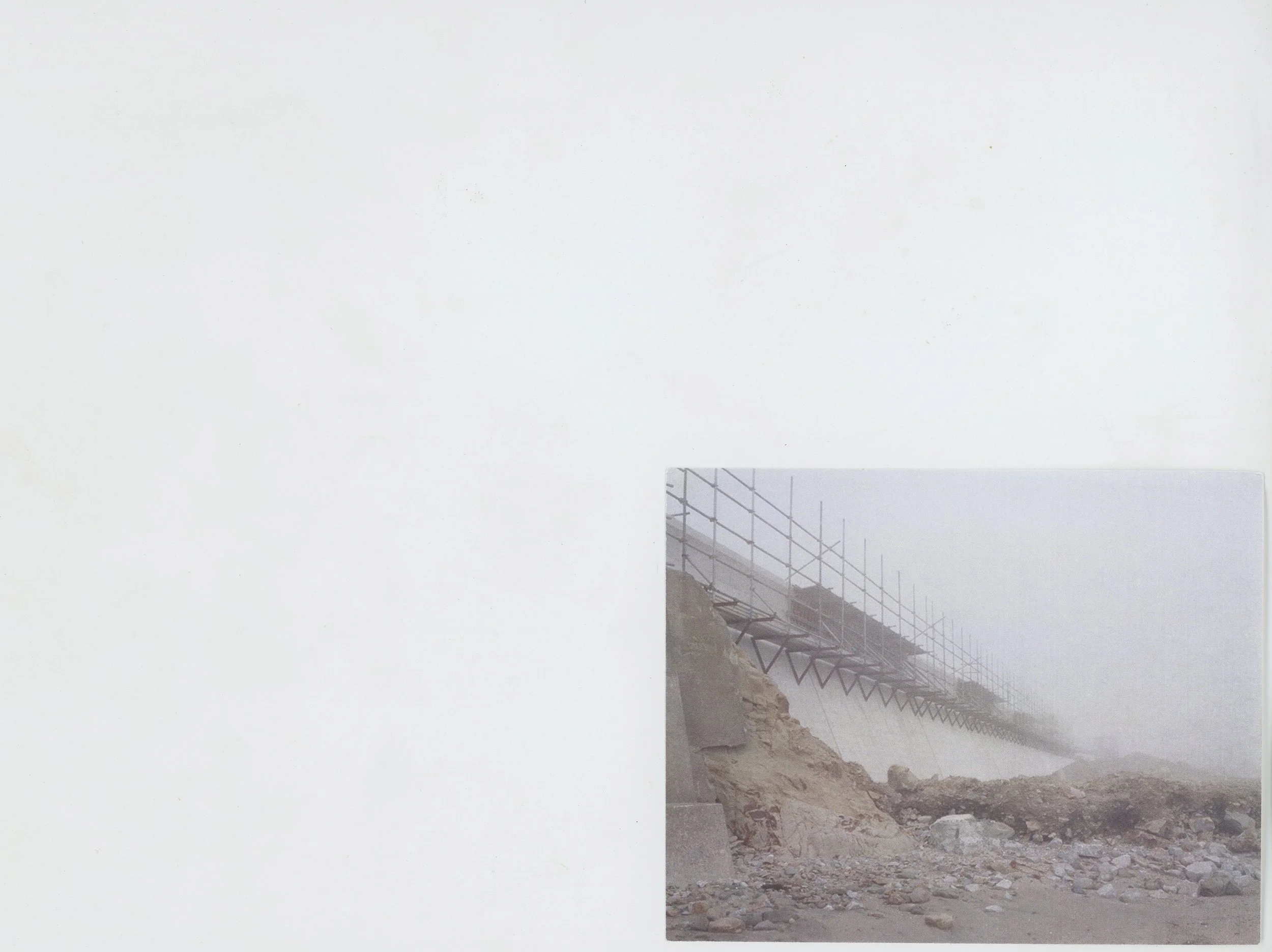
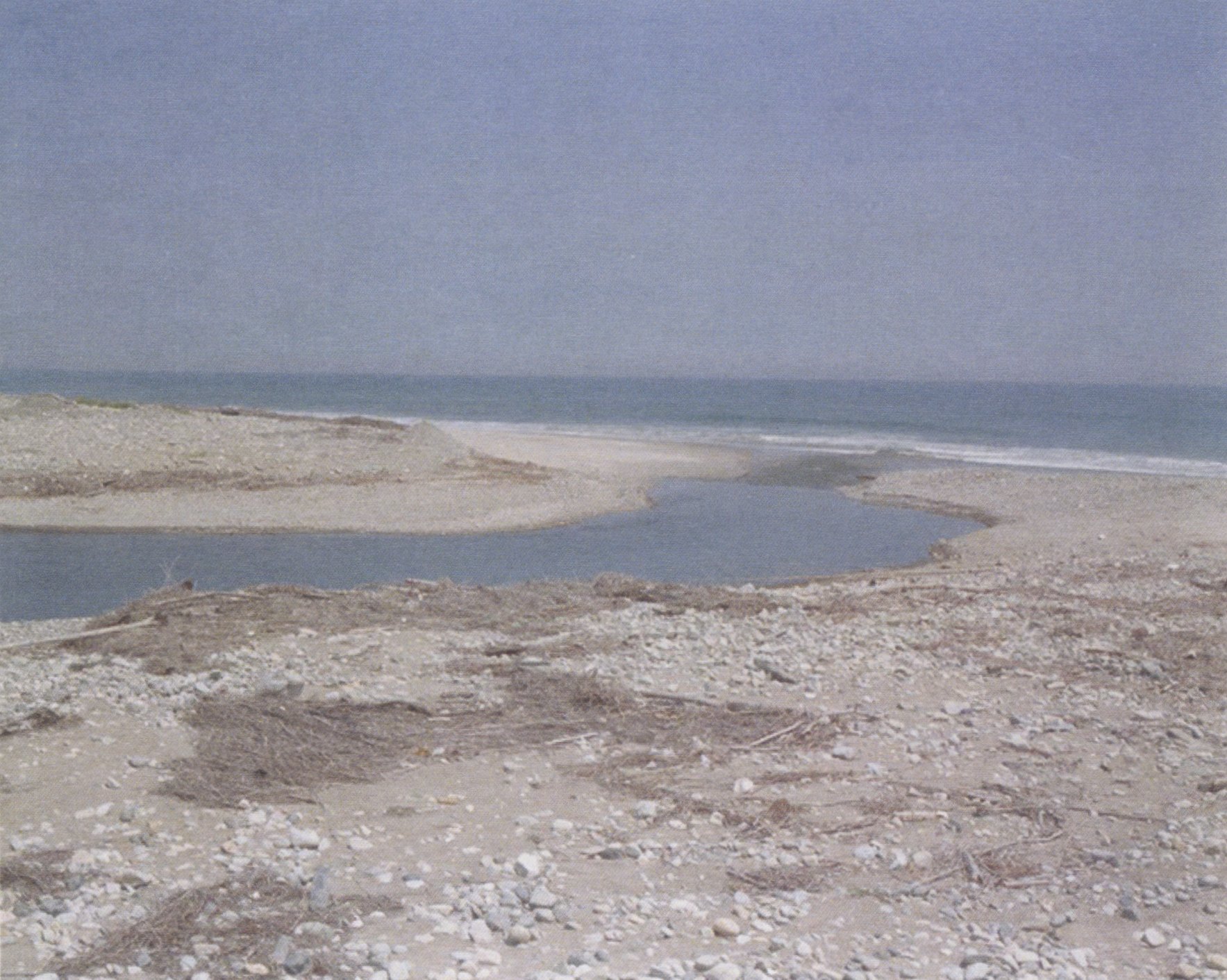
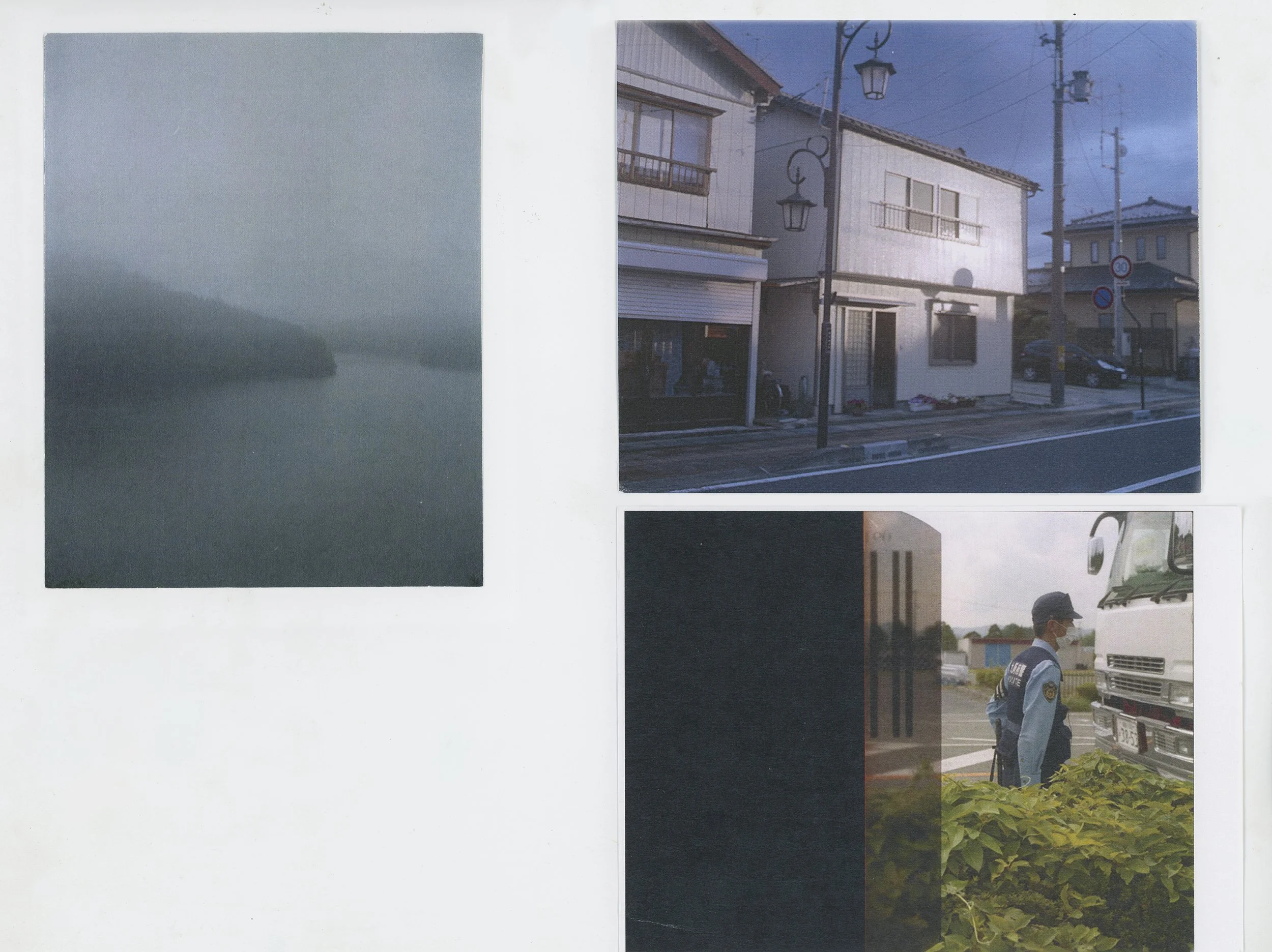
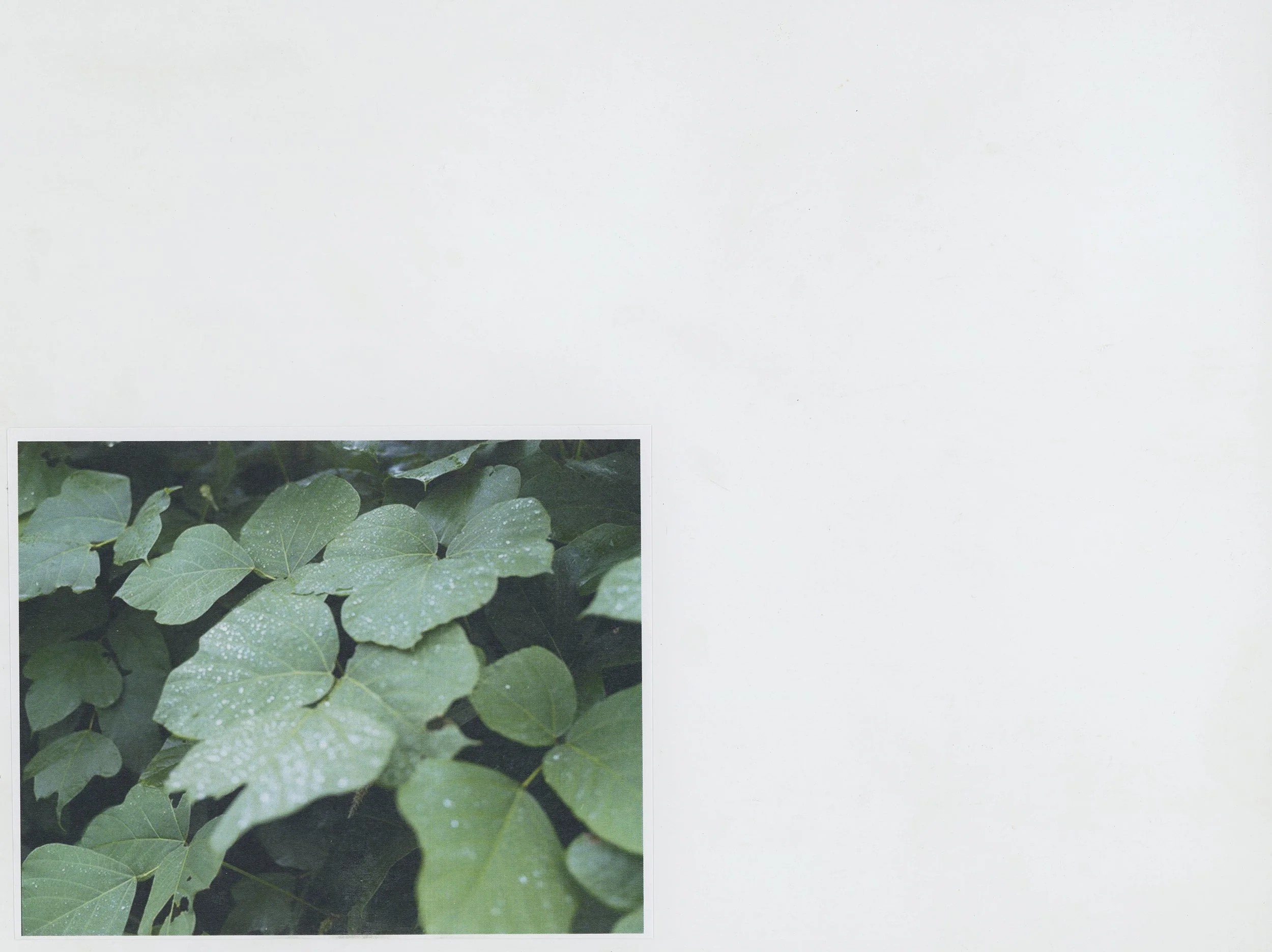
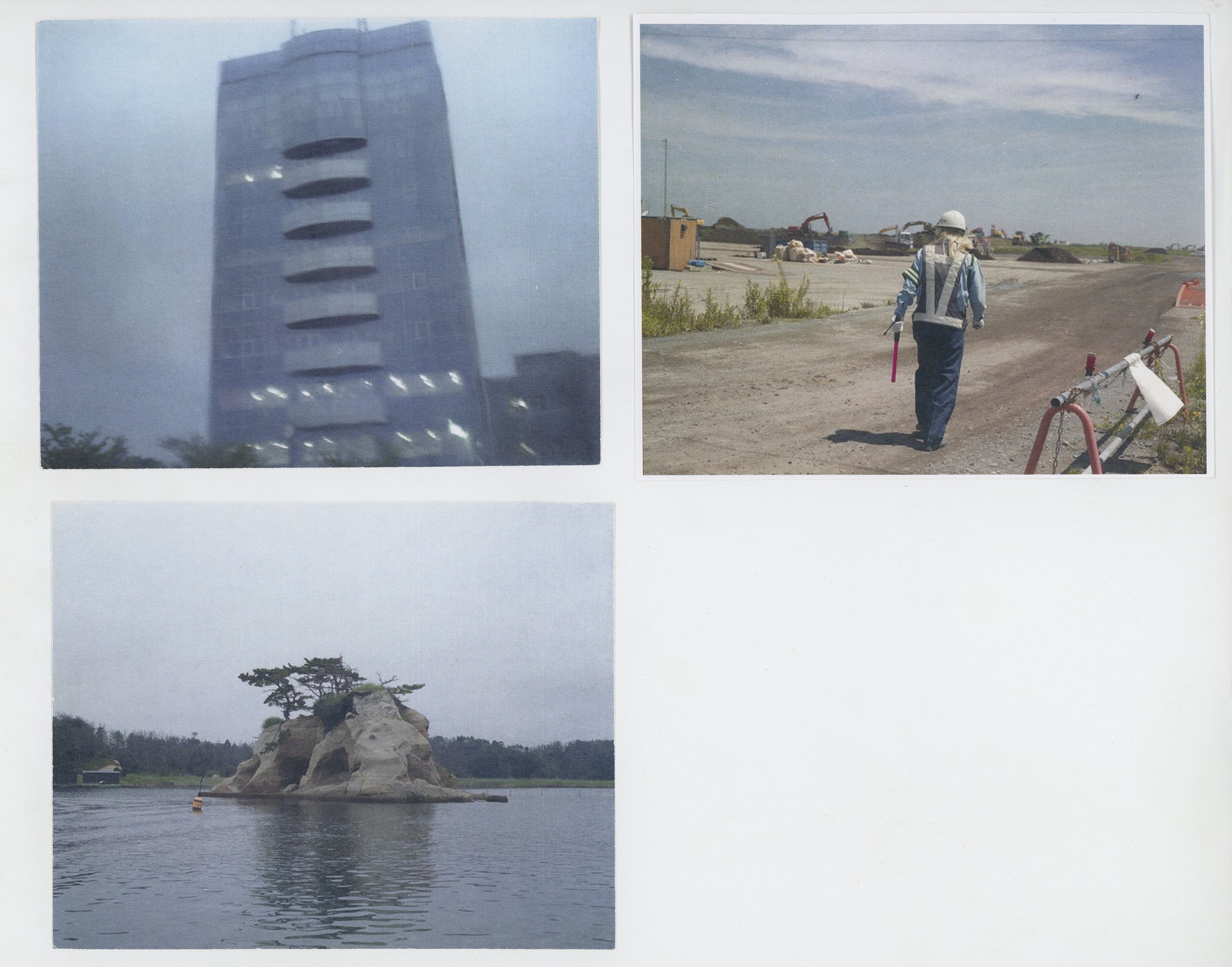
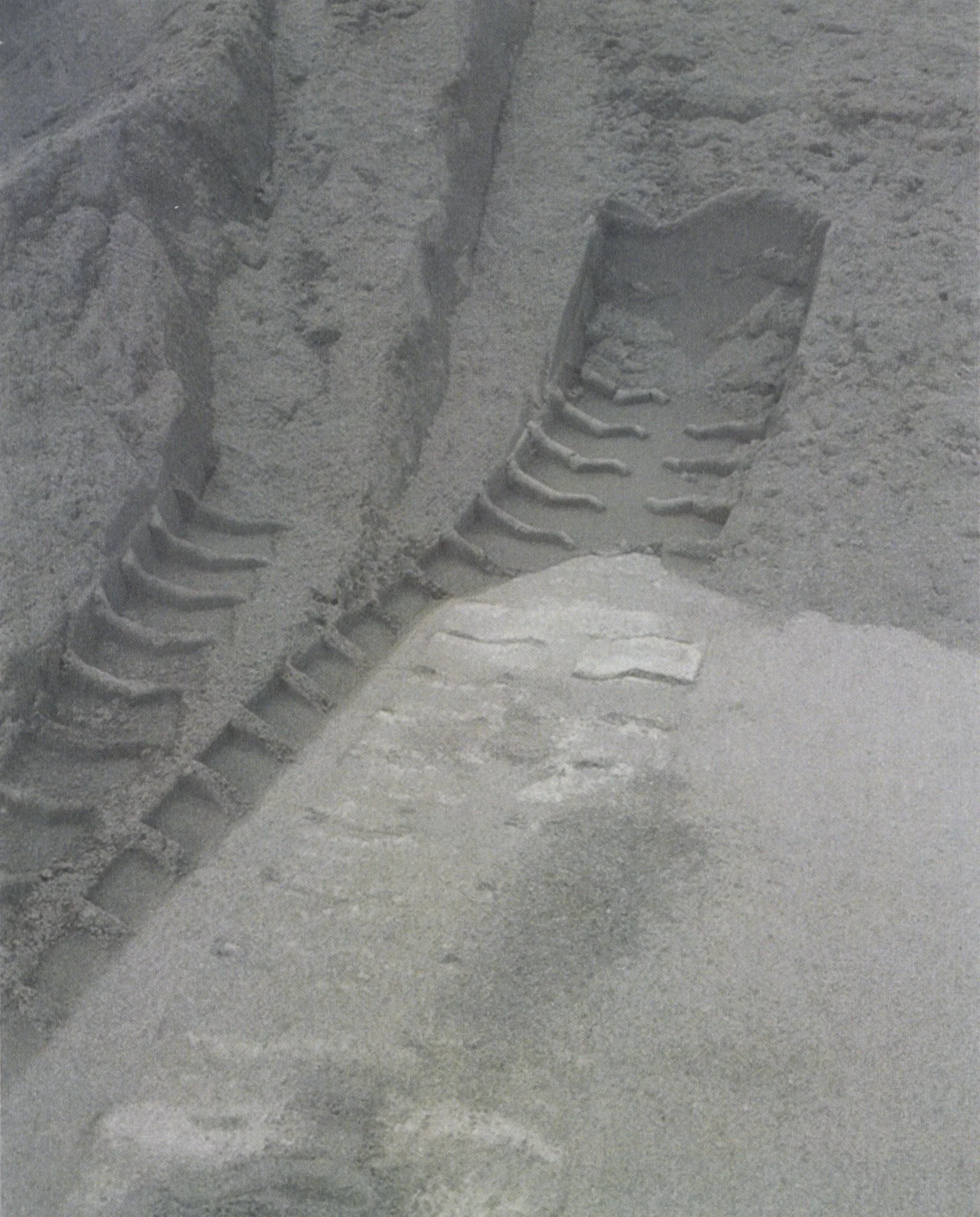
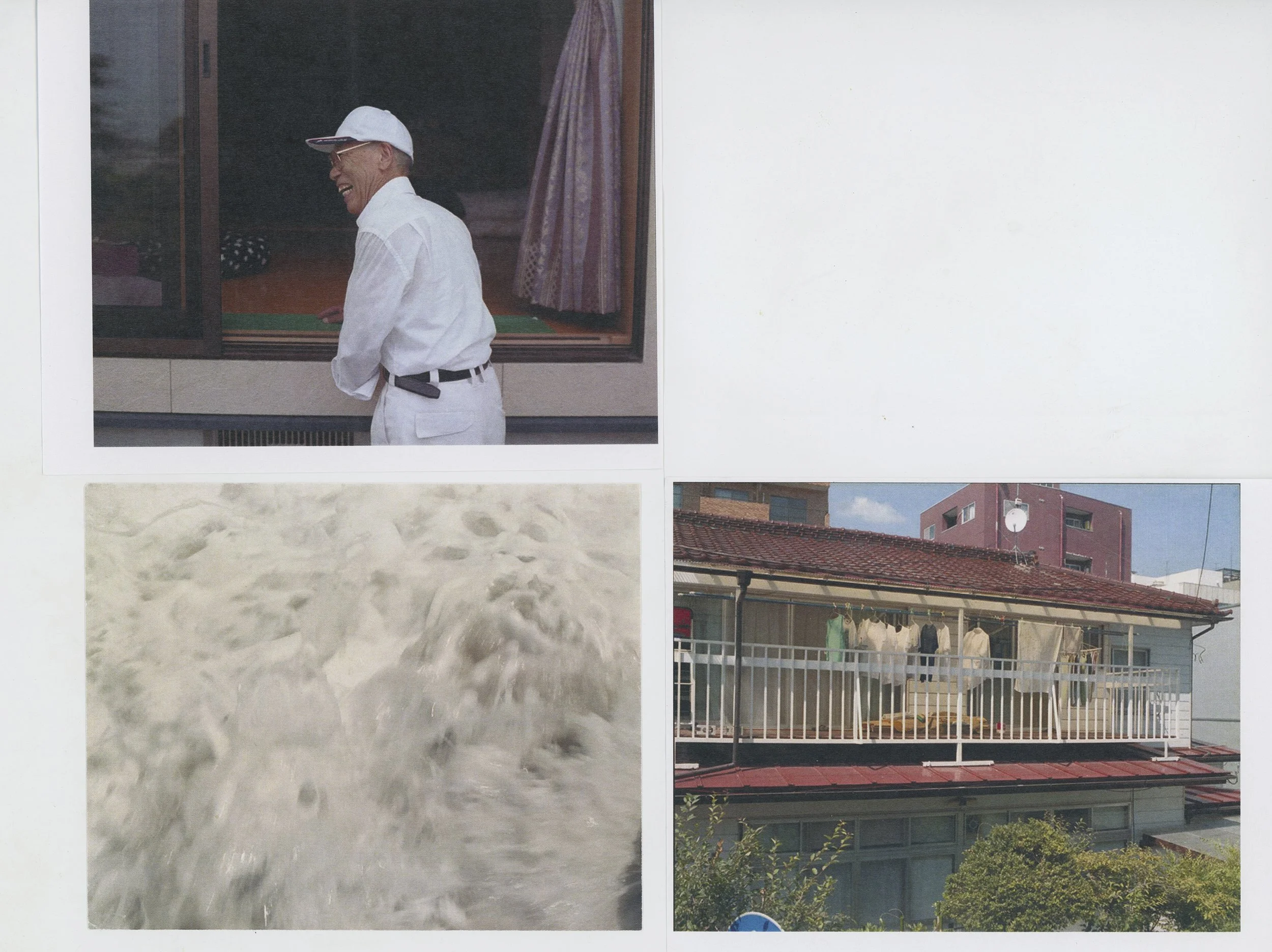
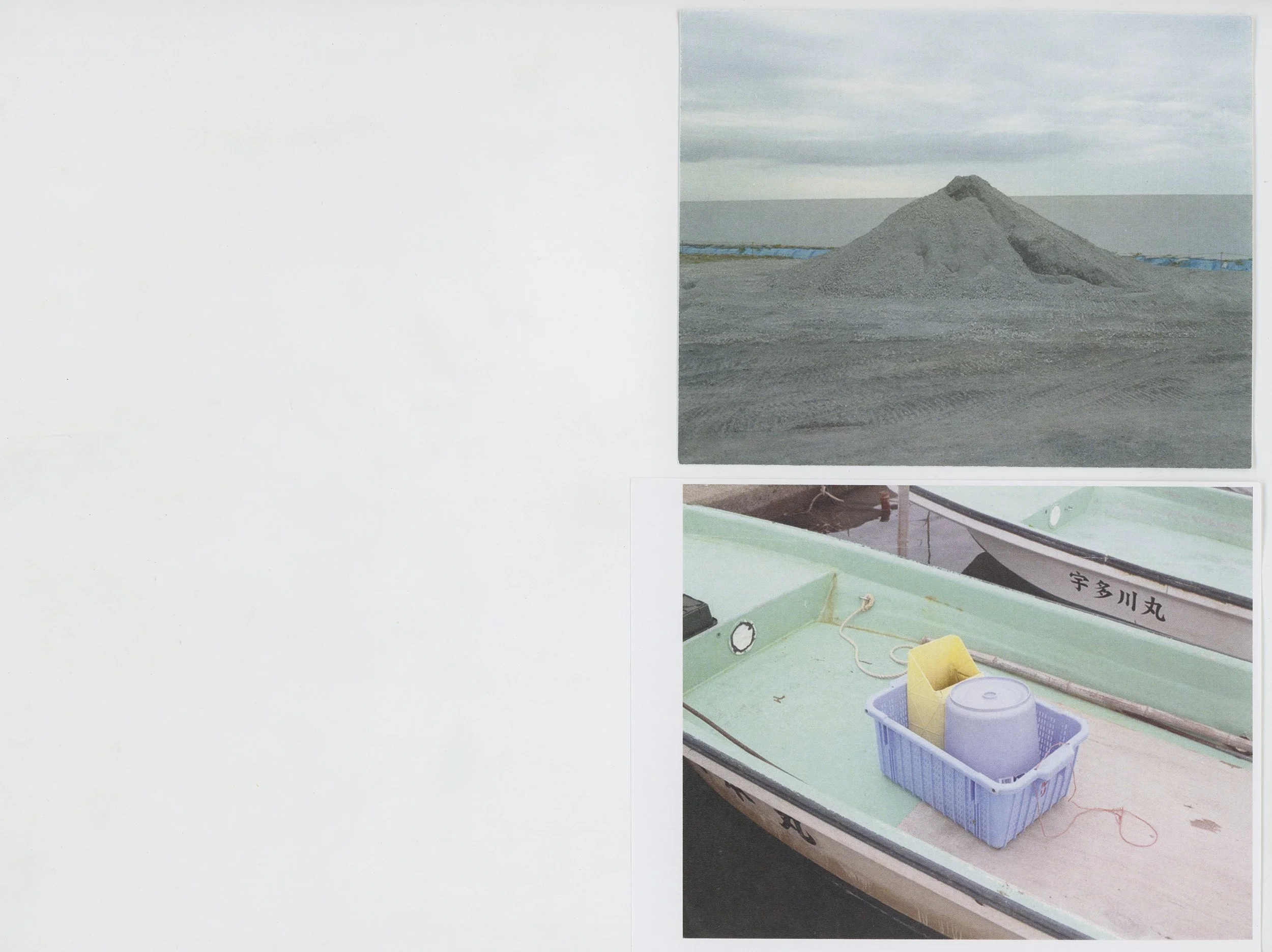
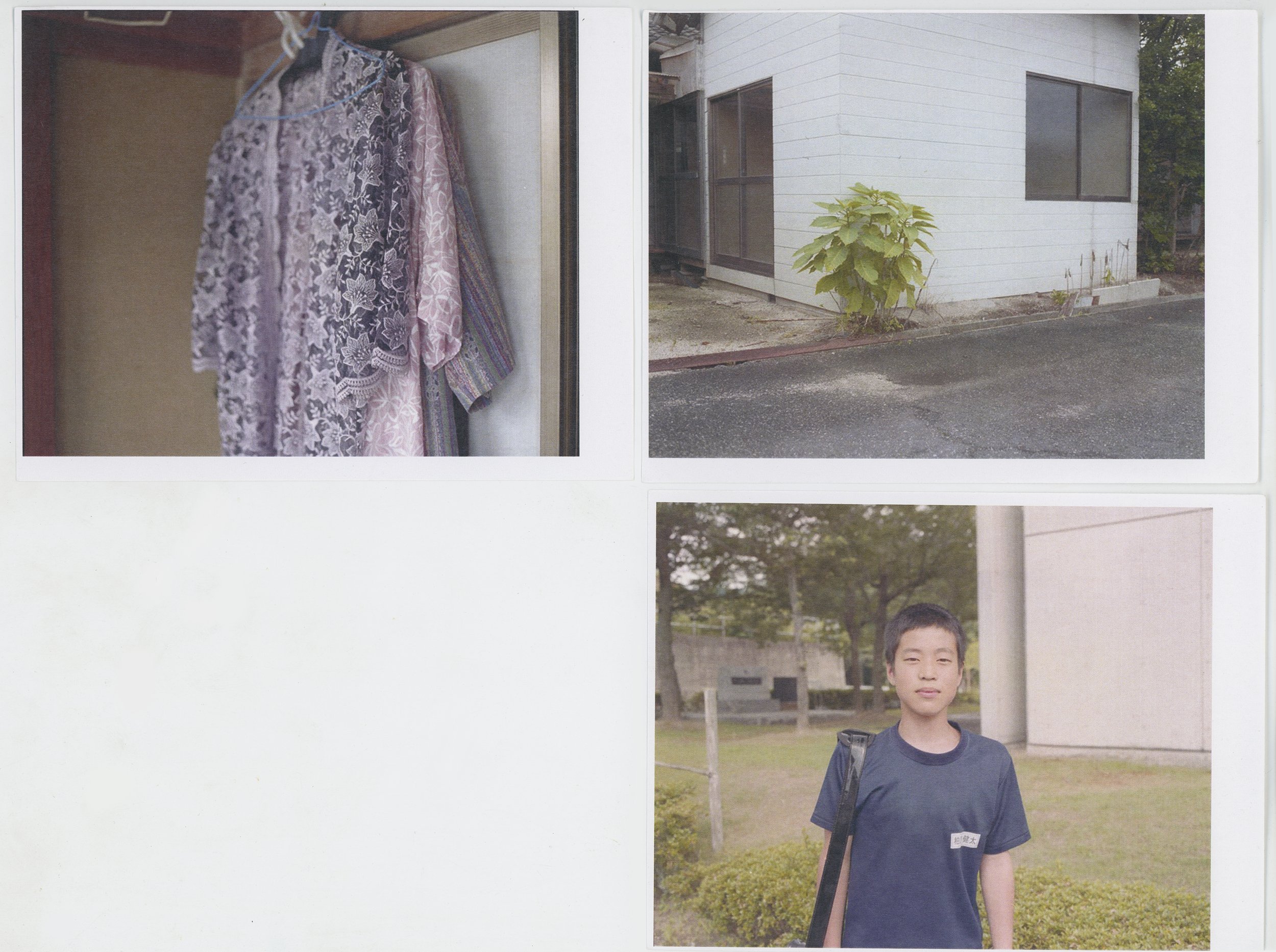
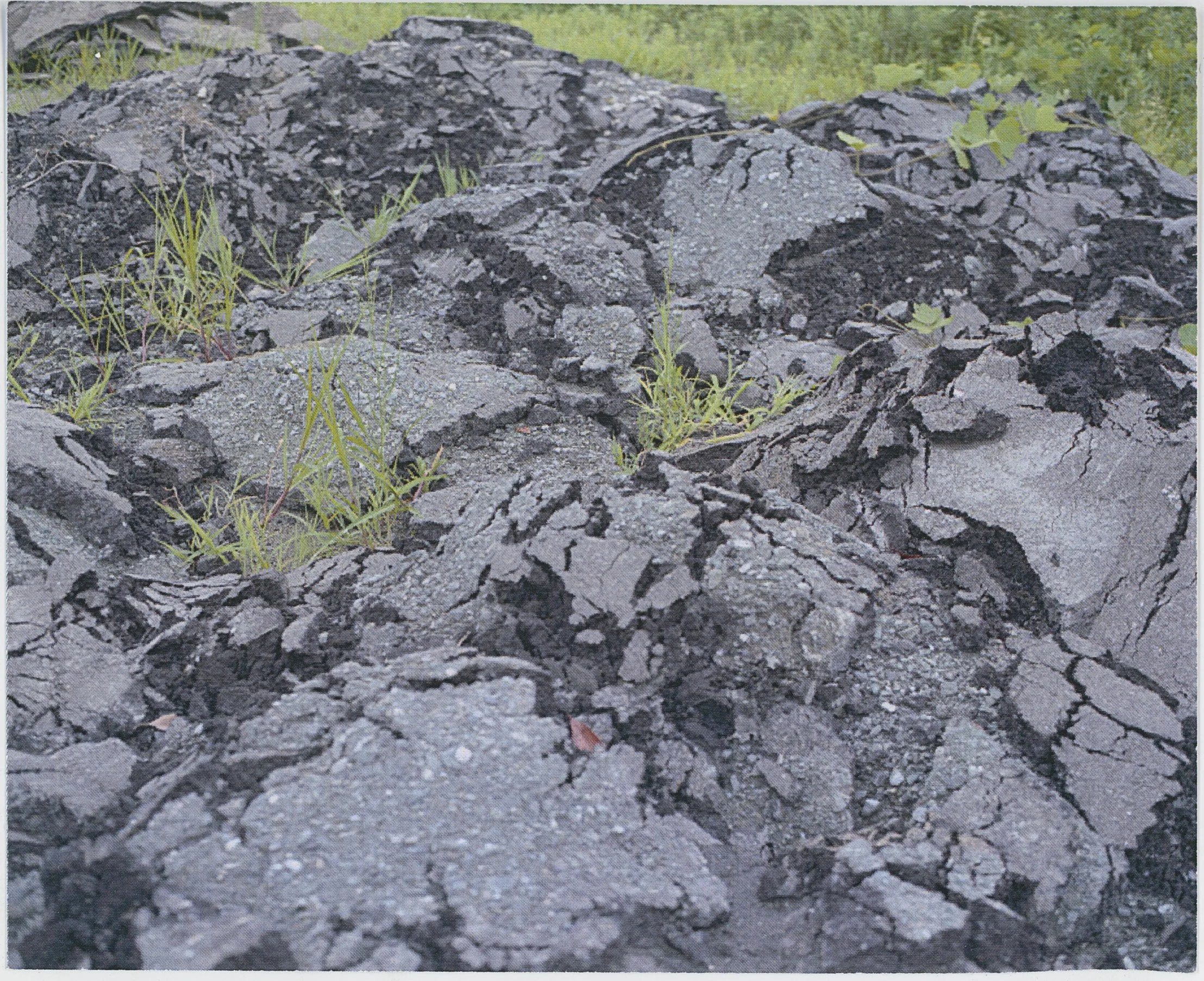
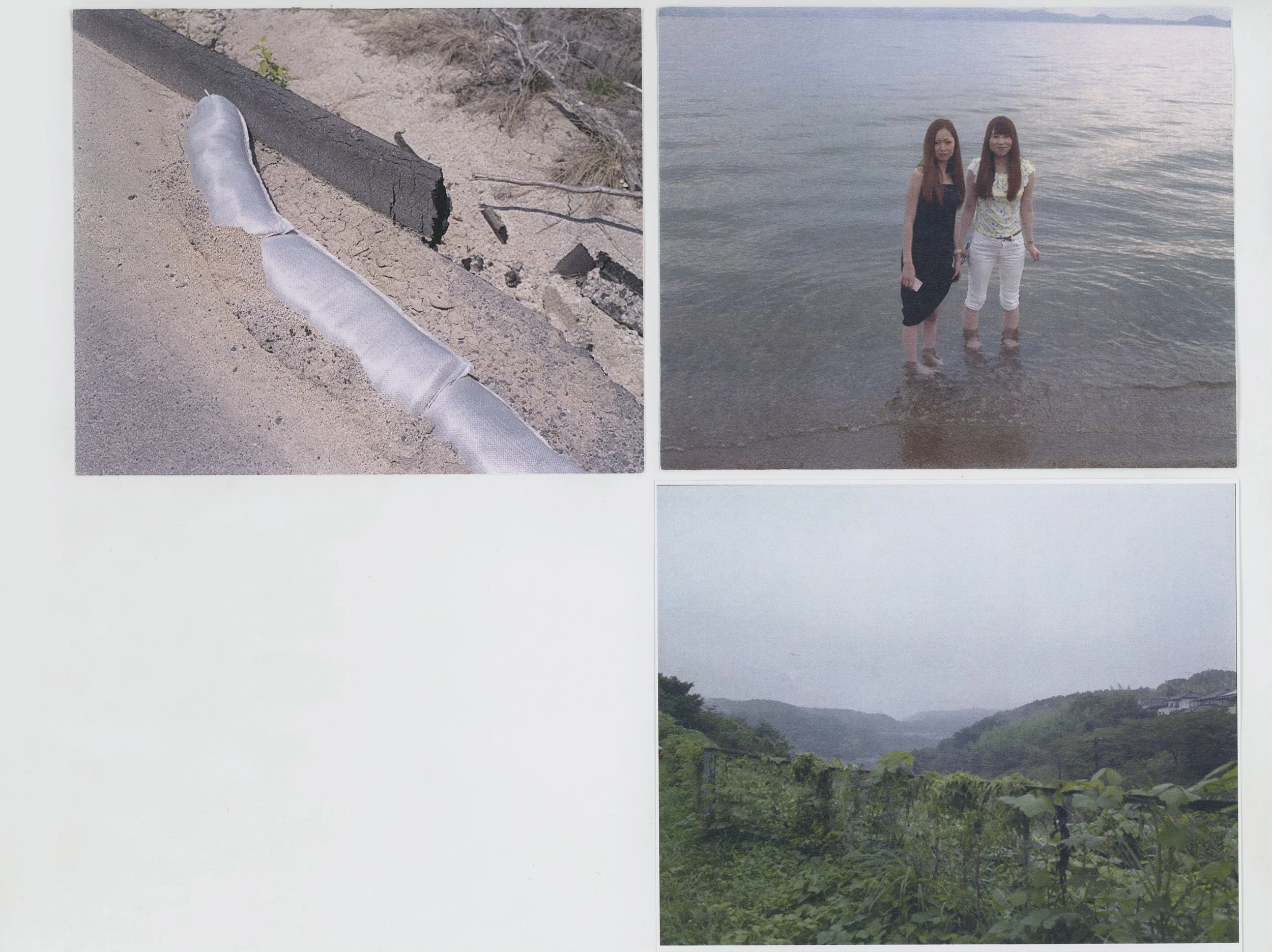
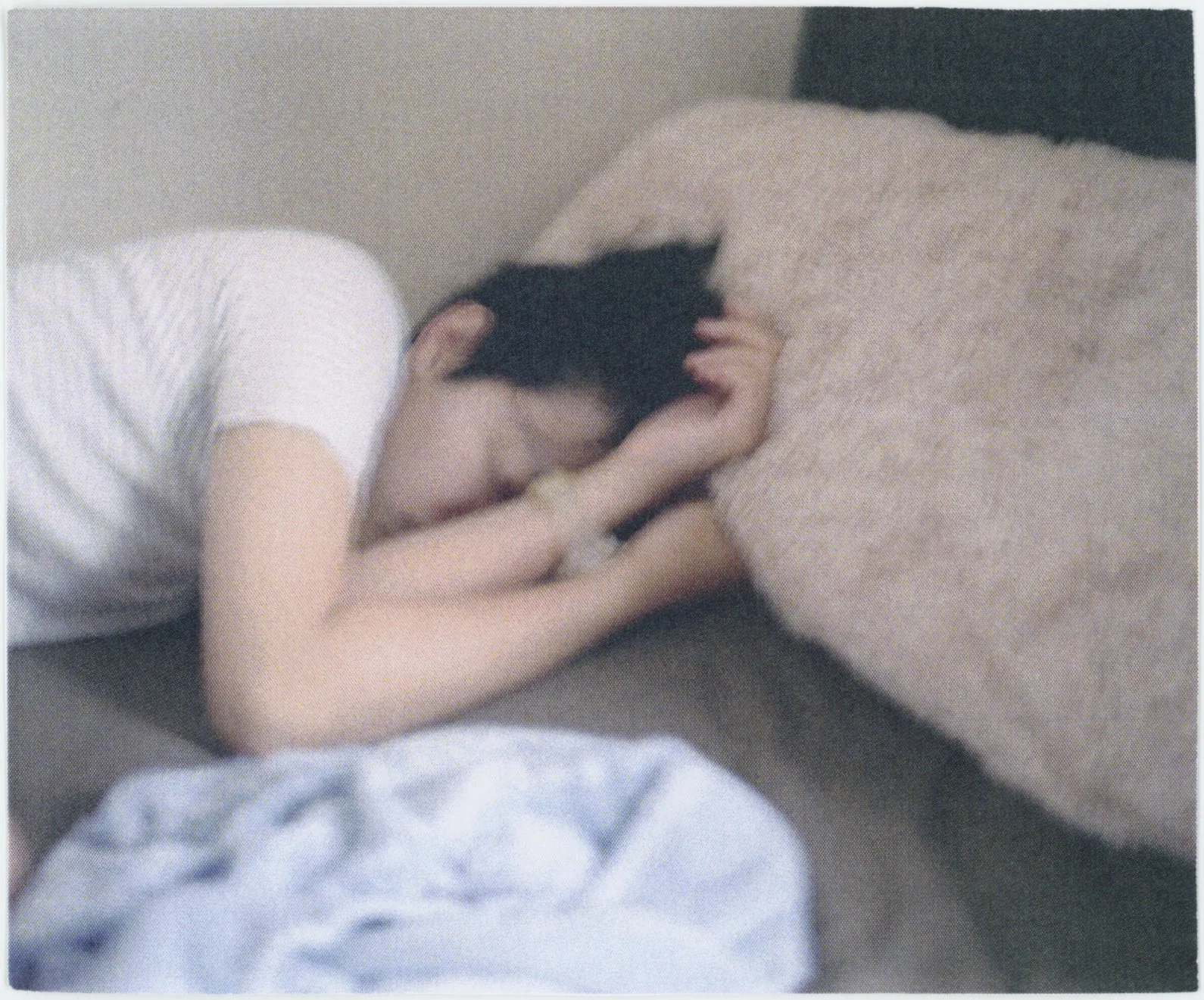
Through a chain of sequences, Deubner suspends the symptoms of a changed site – the imprint of heavy-weight construction tires, a passenger’s crossed arms, the bounding and dislocation of affected soil, policemen’s surveillance and the infrastructure of decontamination as it grieves a form of dispossesed landscape. A human encounter is evident across the frames, enabled by the body or in its absence, with imagery of drying clothes disorienting consumed images of destruction.
Deubner’s continuous return to the region over ten years is softened by each residual season of encounter, reminding me of Michel Butor within Inventory: Essays (1969) where he asks: “This fog affects a loss of names, but does it grant a new name?” Perhaps all that remains of the definite gesture, of that fisherman at sea, is the great oscillation of something becoming recognizable in its translation.
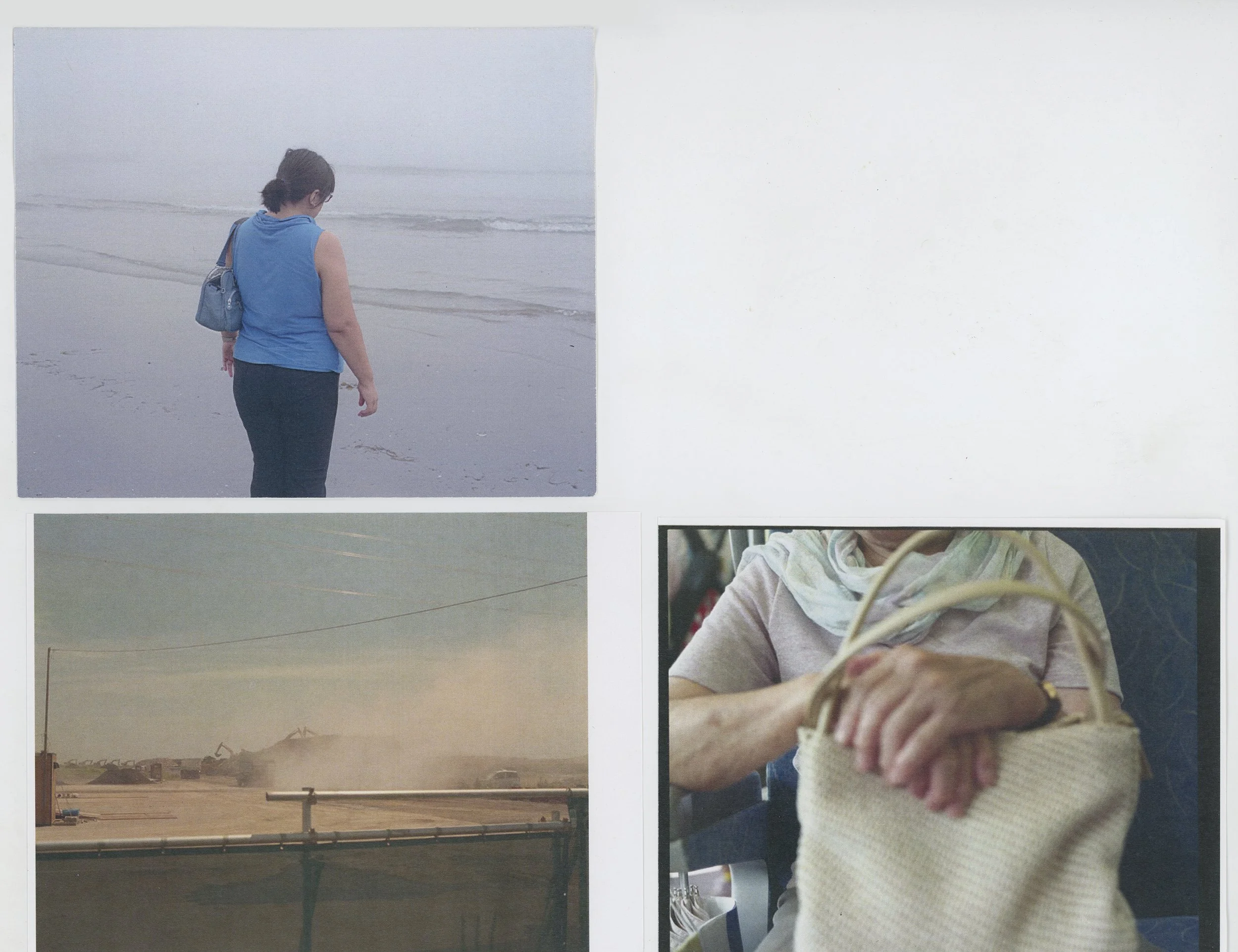
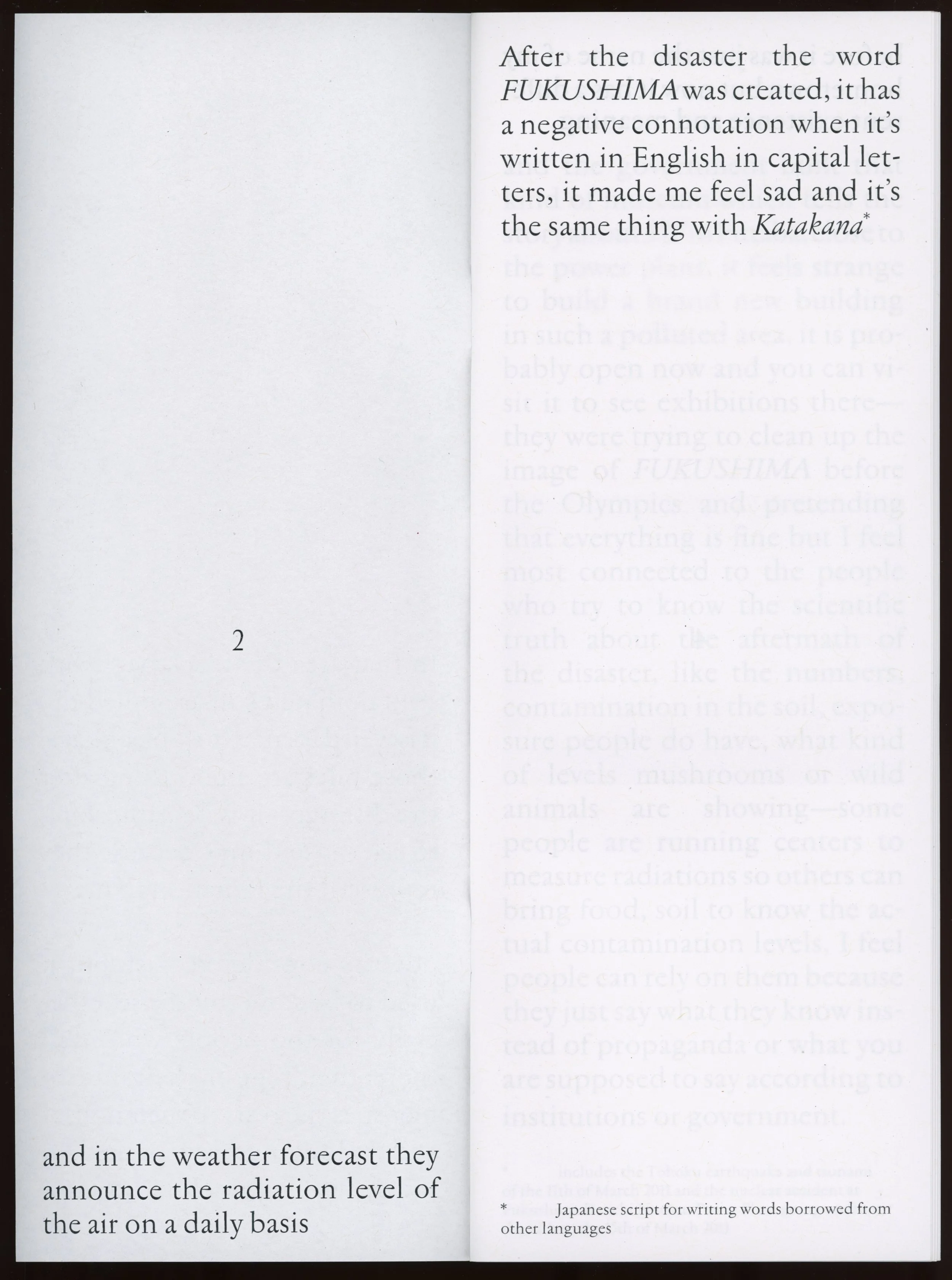
Publication made for tempête après tempête with 13 Vitrine, Friendzone at Édicule de la Maladière in Lausanne (Spring 2025).
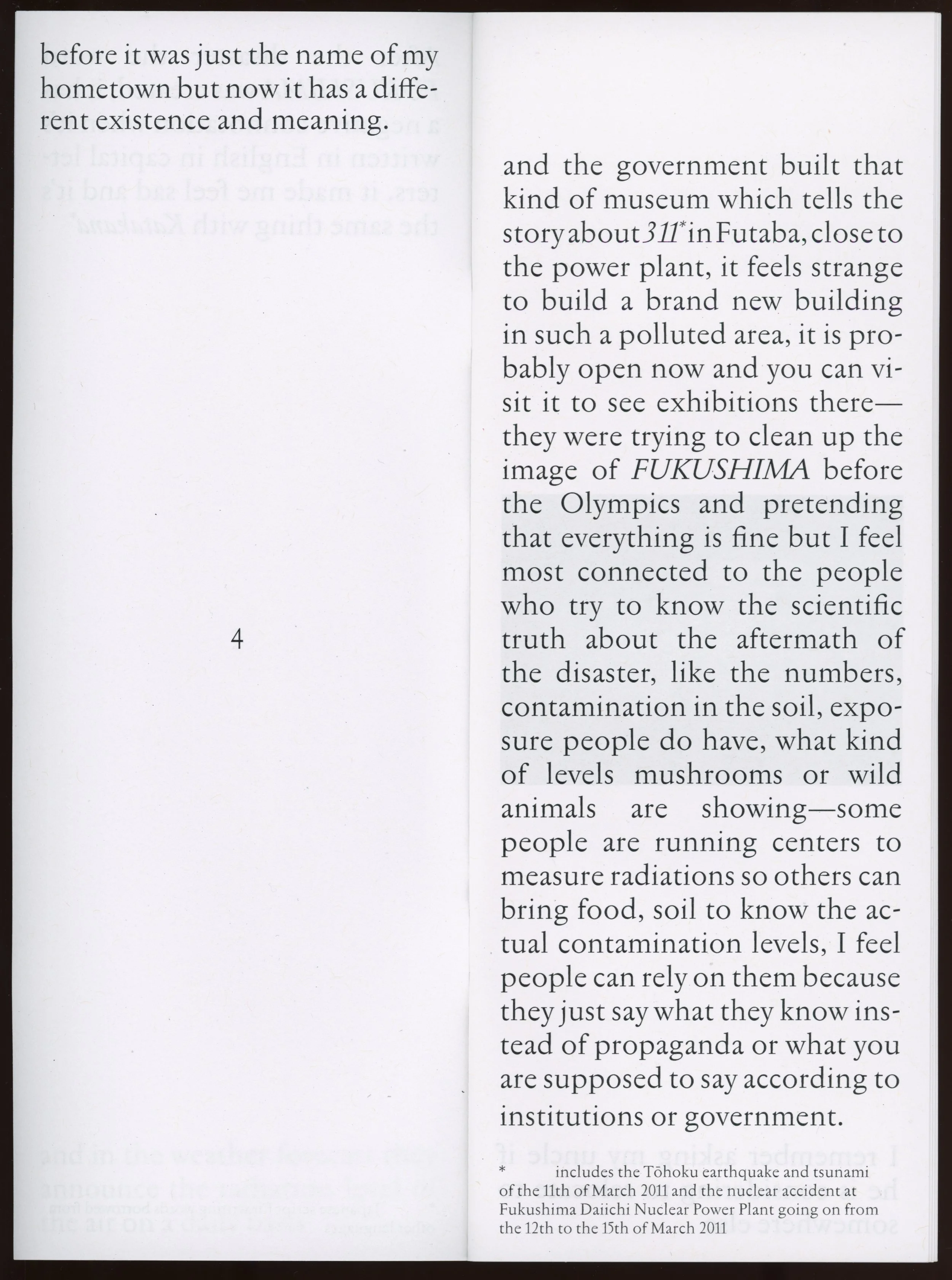
Interview extracts with Hisashi, Junka, Natsumi collected in Fukushima prefecture (Summer 2019) and with Shoko during a call between France and Japan (Winter 2023). Translation from Japanese to English by Shoko.